


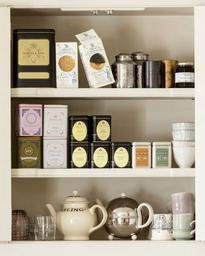
Herbal teas, also known as herbal infusions or tisanes, are typically a blend of herbs, flowers, spices, and dried fruit. This blend of ingredients is then brewed in the same way as your favorite traditional tea, either loose leaf, in tea sachets, or in tea bags. By combining quality ingredients, blends can be created that calm, invigorate, or treat minor ailments. Colors and flavors range from light and fruity to vibrant and spicy to match your mood. We offer over 60 different blends, most of which are caffeine-free. Looking for more knowledge about herbal teas? Check out Everything You Want to Know About Herbals and Tisanes.
-

Herbal Blends
Our herbal blends build upon lemongrass, chamomile flowers, and hibiscus with flavors such as cinnamon, orange peel, and peppermint. All blends are naturally caffeine-free and offer unique experiences. Looking for a soothing blend? Try our Raspberry Herbal. Want more punch? Check out Spiced Plum.
-

Fruit Teas
Our fruit teas are caffeine-free blends of all natural ingredients such as rose hips, hibiscus, dried apple, orange peel, and more. These delicious blends are loved by all, including children. Some of our favorites include Peach Fruit Tea and Strawberry Kiwi.
-

Rooibos Tea
Often referred to as red tea, Rooibos (pronounced “roy-boss”) is a caffeine-free plant found in South Africa. The leaves are oxidized, which develops a deep red color once steeped, similar to black tea. Some of our black tea blends, such as Hot Cinnamon Spice and Paris, are available using Rooibos, delivering familiar flavors yet being caffeine-free.
-

Herbs Native to the Americas
Not all herbal tea is caffeine-free. In fact, both North and South America have native herbs that can contain nearly as much caffeine as coffee. Yerba Mate is one such herb from South America and has a long history of consumption. Or try American Buzz, our blend of Spearmint, Yerba Mate, and more.
-

Pure Tisanes
If simplicity is what you desire, look no further. Our pure tisanes are single ingredients that brew a delicious cup. Try our Organic Peppermint, Bamboo, or something unique like Olive Leaves. Be adventurous and make your own tea blend at home.
-

All Herbal Infusions
Not sure which herbal infusion to choose? Find all our herbal blends, tisanes, and fruit teas here.

How To Brew Herbal Tea
Herbal teas are delicious, hot or cold. Regardless of how you take your tea, follow the steps below and then add ice if desired. If brewing for iced tea, consider using a larger batch of tea, as the ice will dilute the flavor.
- Preheat a teapot by pouring boiling water into it, raising the temperature of the teapot to at least 180°.
- Discard the water. In your teapot or filter, add 1 teaspoon of loose tea for each cup of tea you're brewing.
- Pour fresh boiling water over the tea or tea bag. This super-saturates the tea, allowing the perfect extraction of the flavor.
- The water temperature should be 212°F. Let the tea steep for a full 5 minutes.
- Pour the tea through a strainer into a cup.
Herbal Tea Brewing Temperature
To extract the maximum flavor from our herbal teas, quality water should be brought to a full boil at 212°F. Unlike more delicate teas such as white or green, herbal tea blends contain a variety of ingredients that are more hearty and can withstand higher brew temperatures.


Herbal Tea Brewing Time
A typical tea, such as green or black, can become bitter if steeped too long. Herbal teas are often more forgiving with longer brew times. At Harney, we brew our herbal teas for at least 5 minutes to start, but tis is a matter of personal taste.
If you’re looking for a stronger cup of tea, it’s best to increase the amount of tea used instead of increasing the brewing time.
Herbal Tea Benefits & Uses
For thousands of years, cultures around the world have brewed herbs for enjoyment and to ease ailments. In China and India, blends are created to help “center” the body, bringing balance to life. In Middle Eastern countries, Peppermint adds flavor to dishes as well as easing indigestion.
Benefits of Herbal Tea
- Stimulates the body
- Eases digestion
- Helps soothe common cold symptoms
- Aids in relaxation and sleep
