



Black Tea
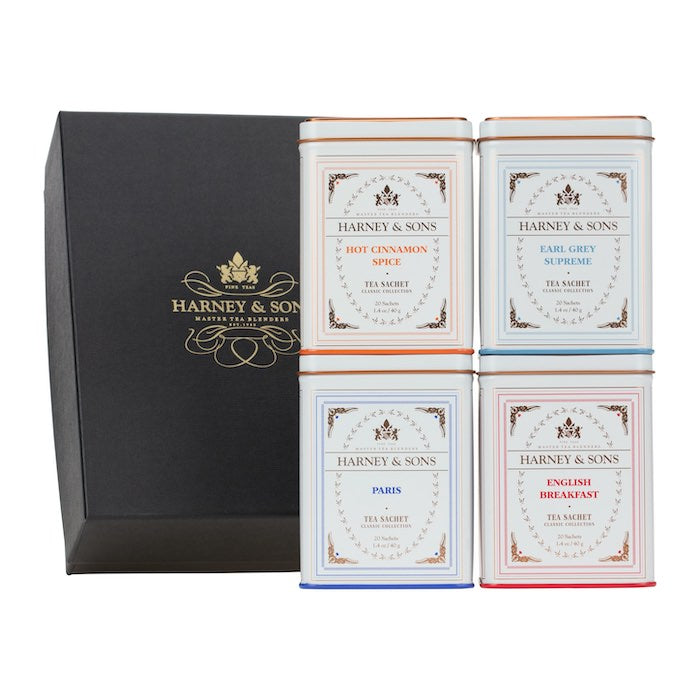
Black tea is tea leaf that's withered, rolled, fully oxidized, and fired, which turns it dark and brings out warm, malty, and toasty flavors. Ours come from China, India, Sri Lanka, and beyond, from mellow Keemuns to full-bodied Assams, along with flavored favorites like Paris and Hot Cinnamon Spice. Not sure where to start? Try one of the teas below, or take our quiz. To learn more, read Black Tea 101.
Where to Start
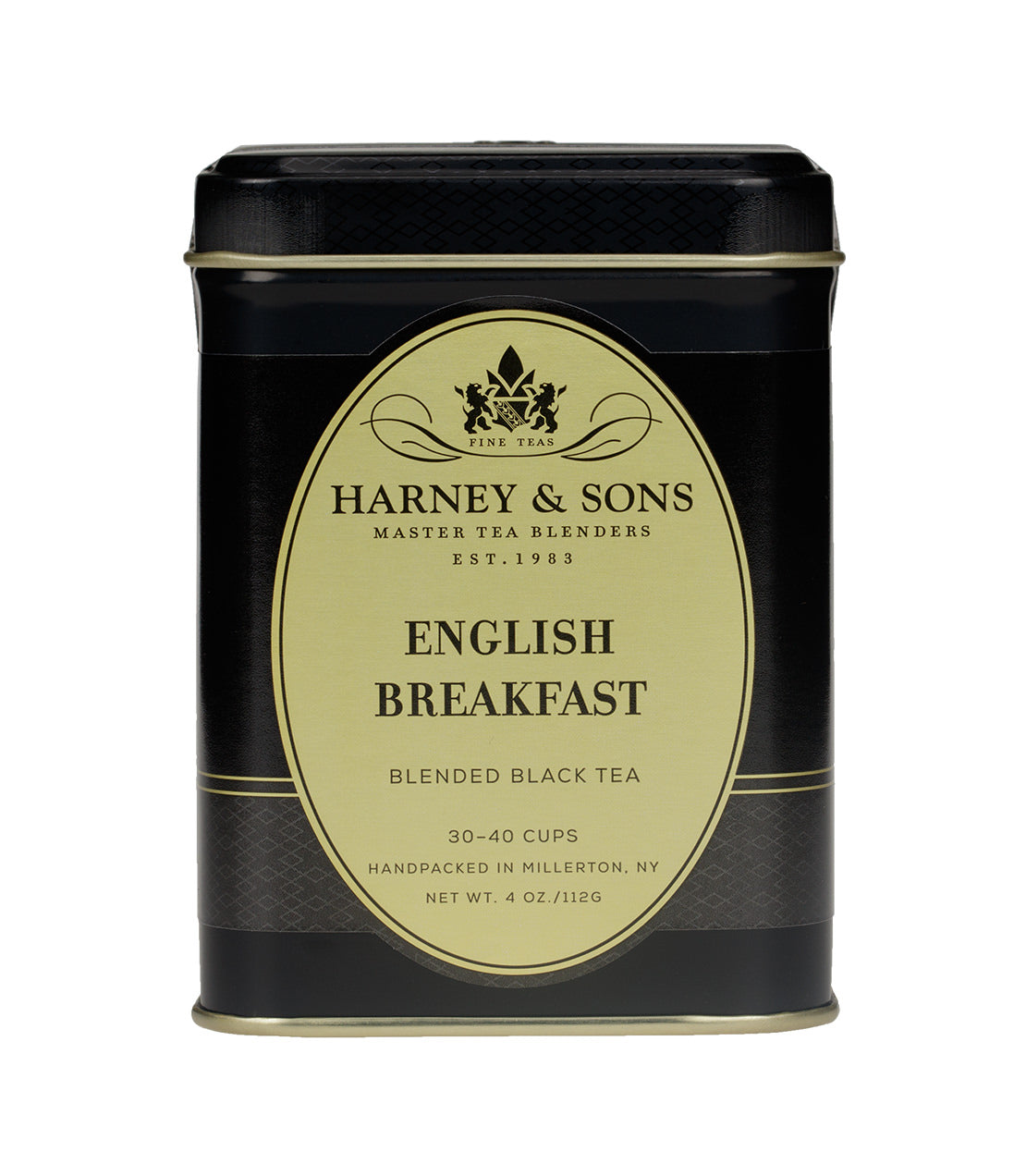
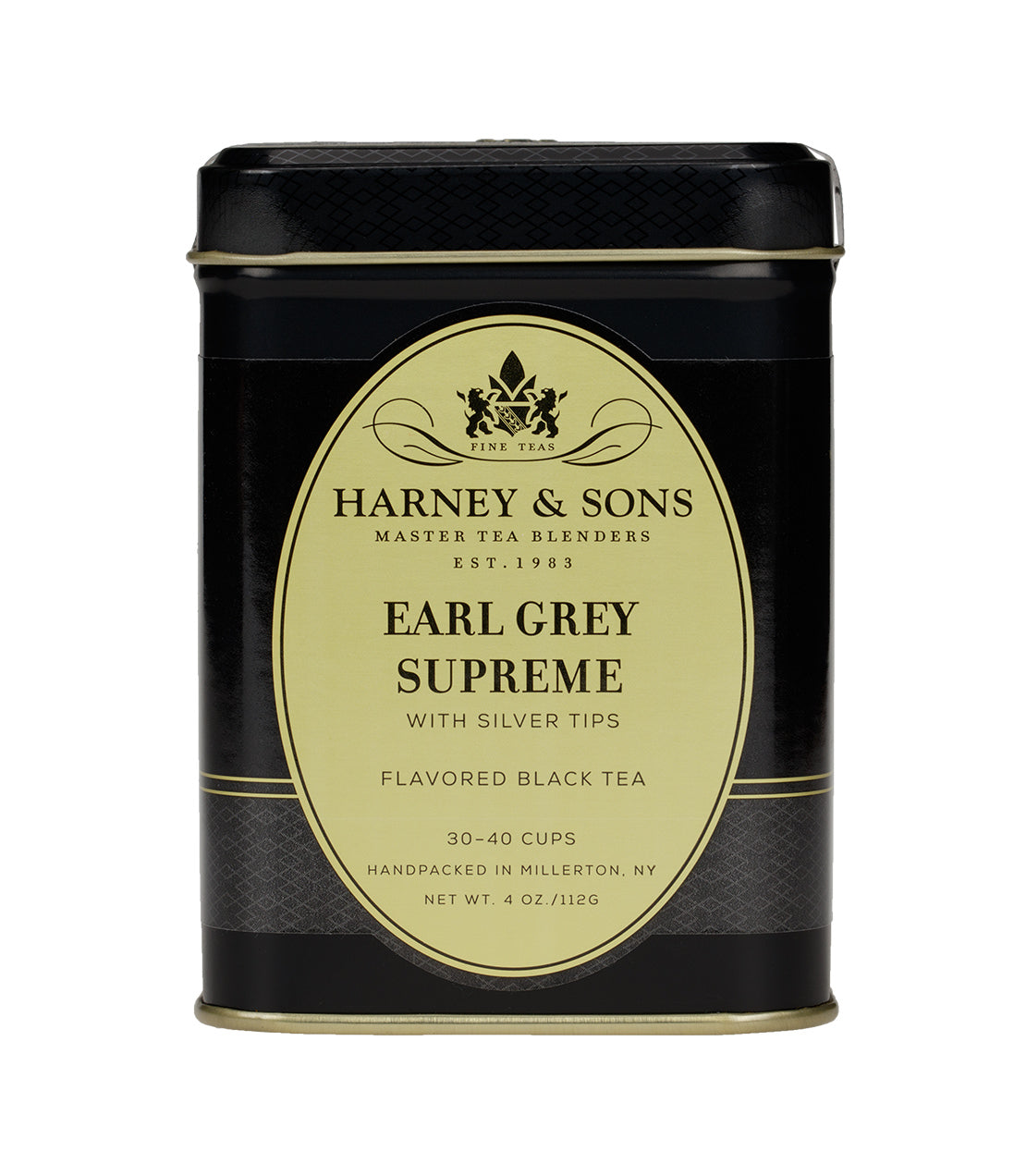


Featured Teas

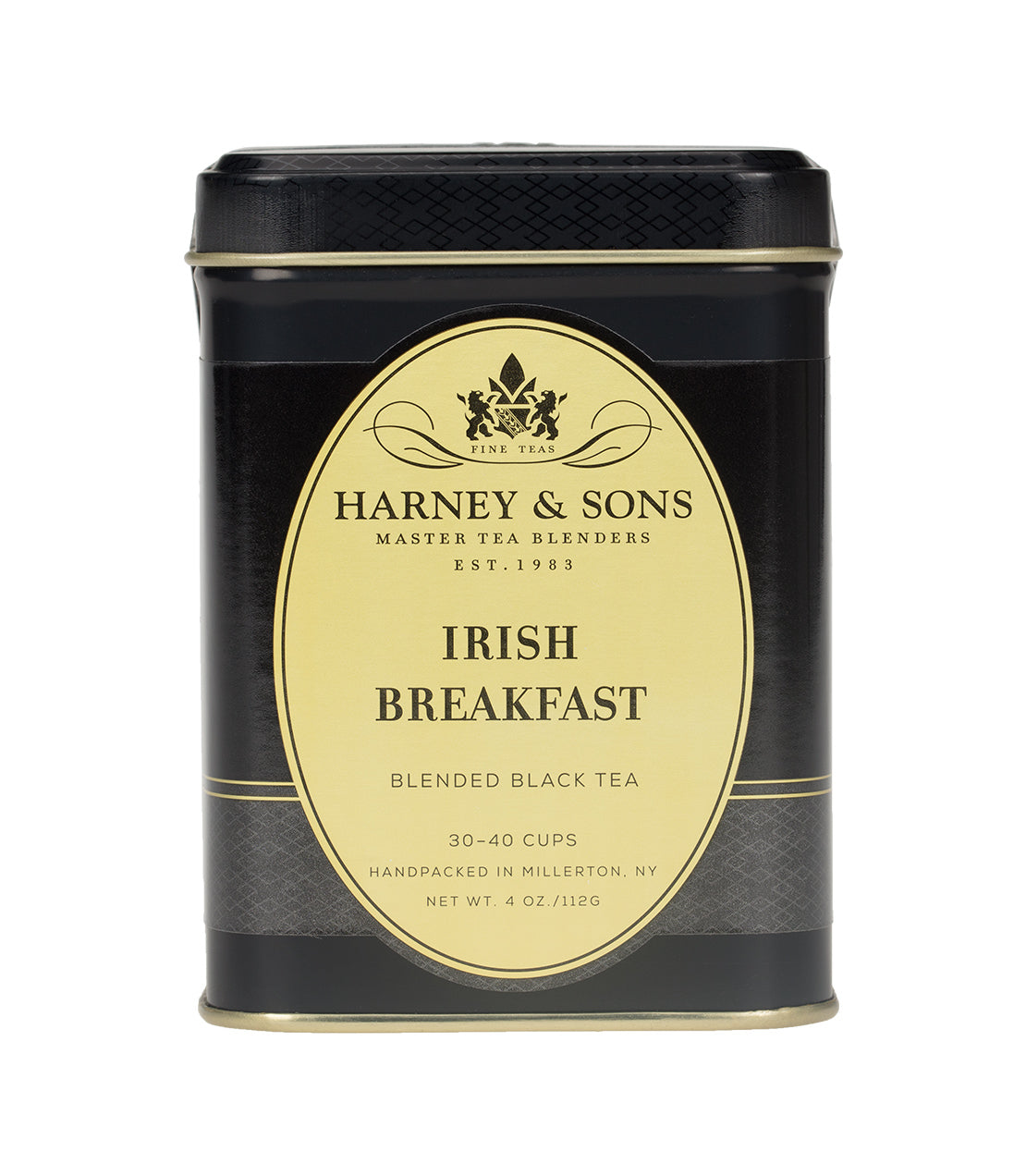
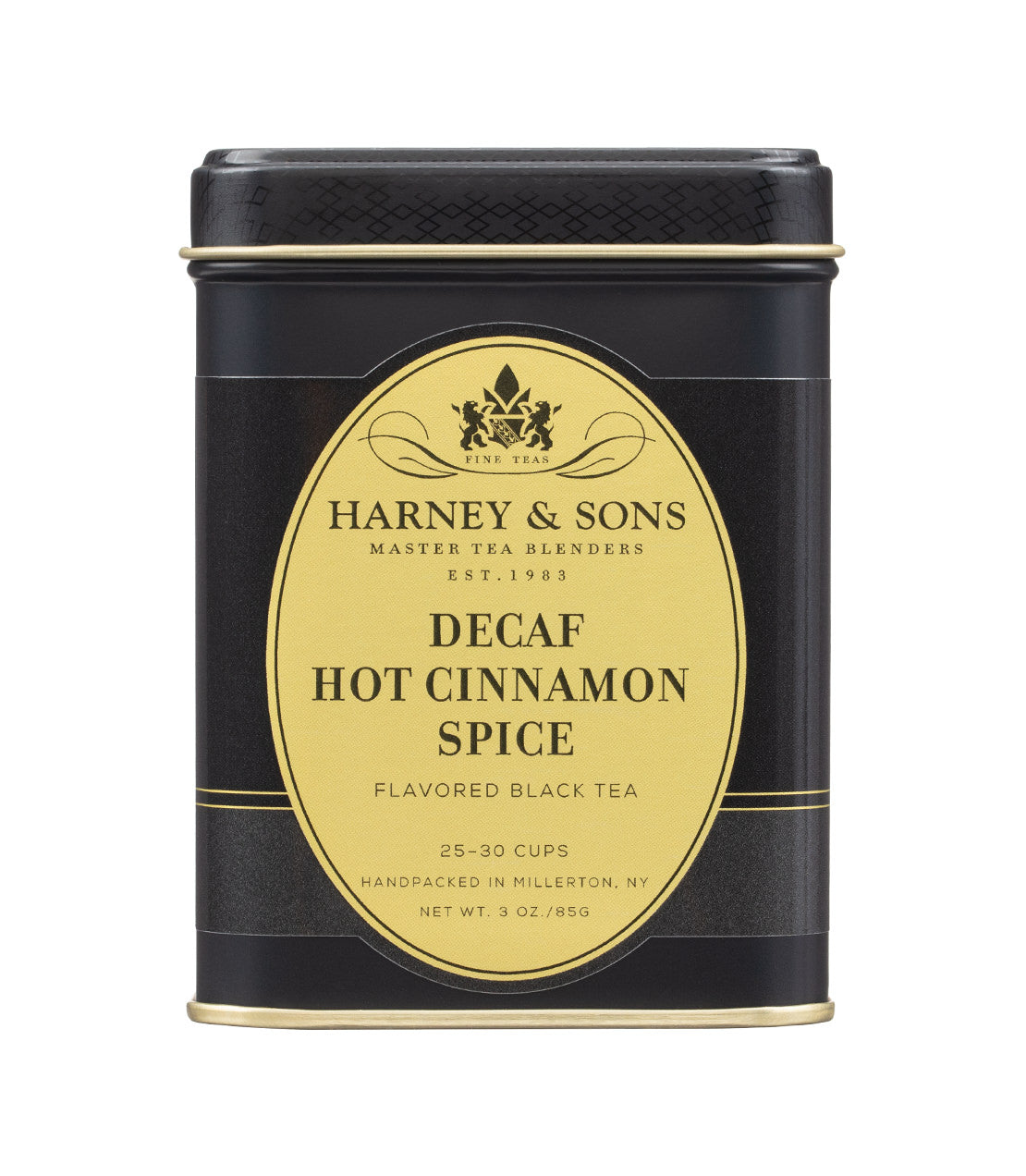
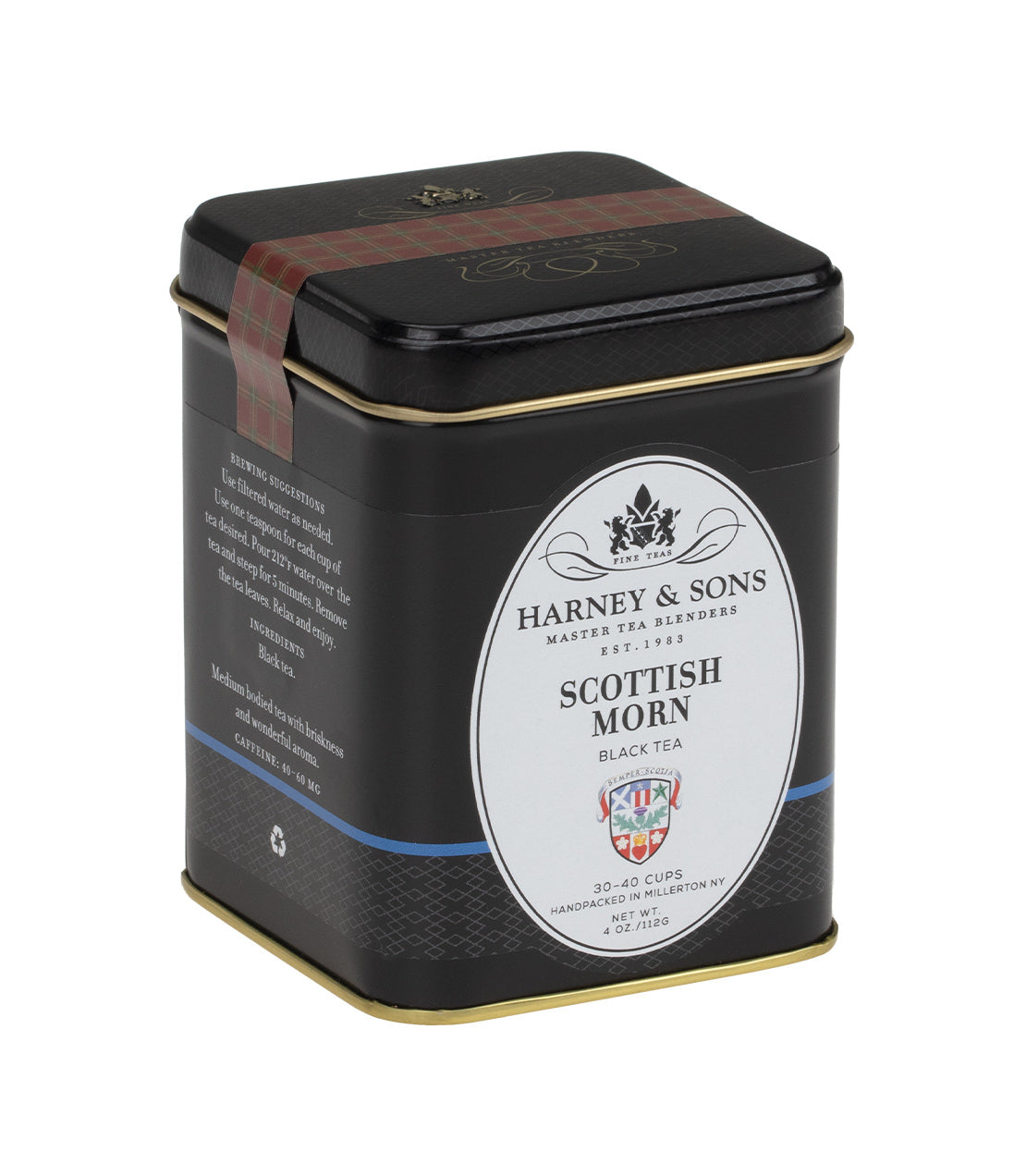
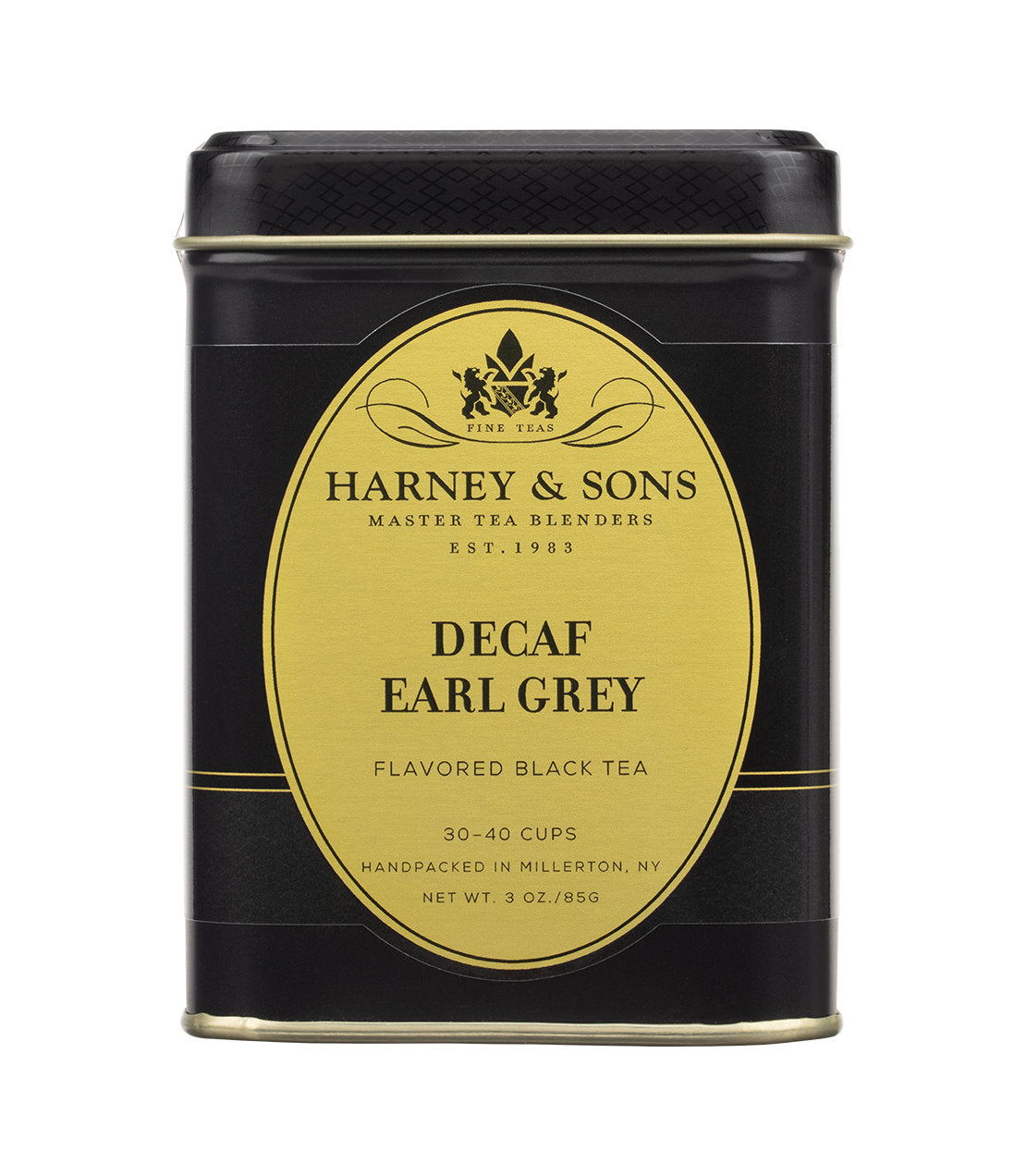
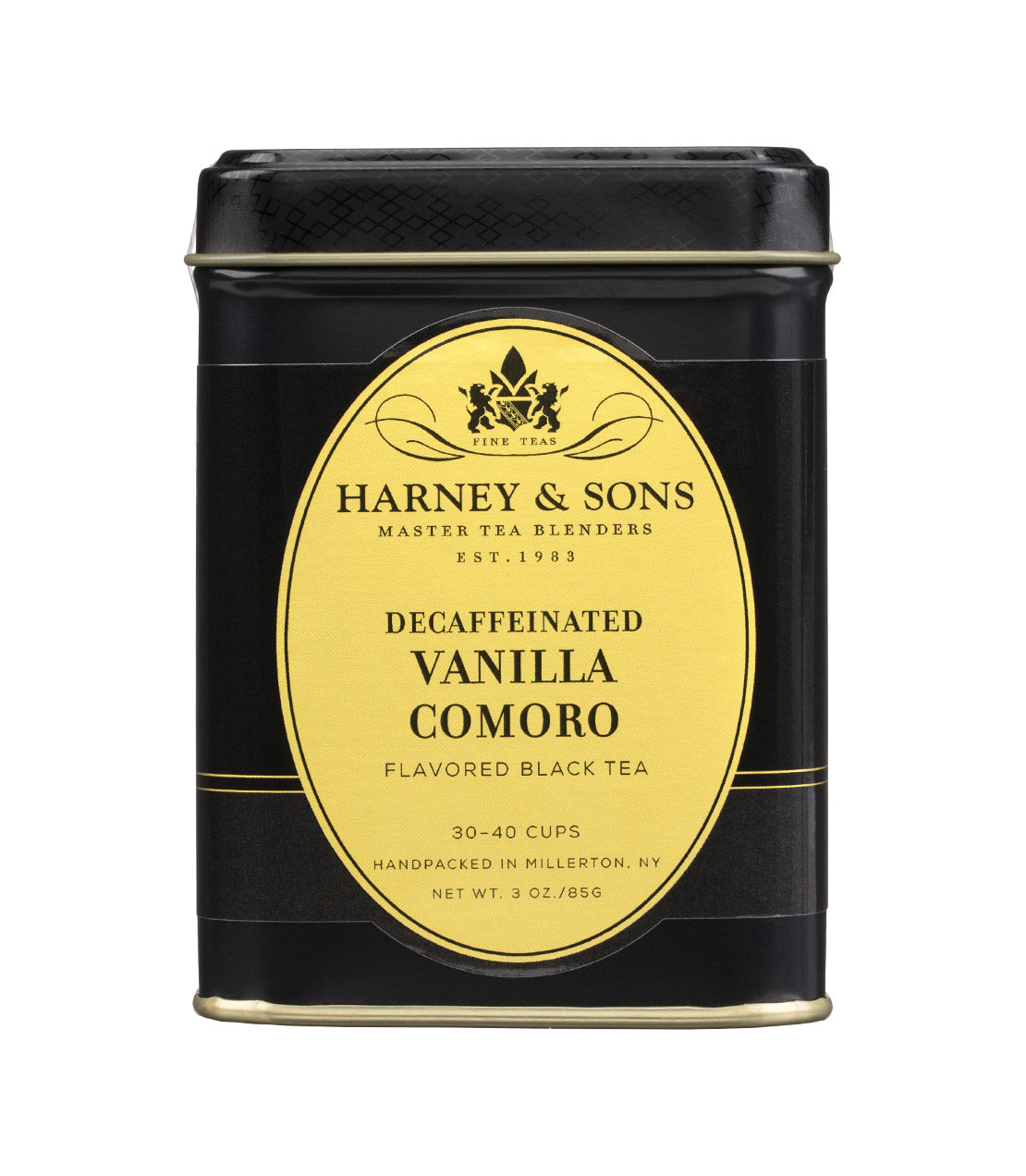
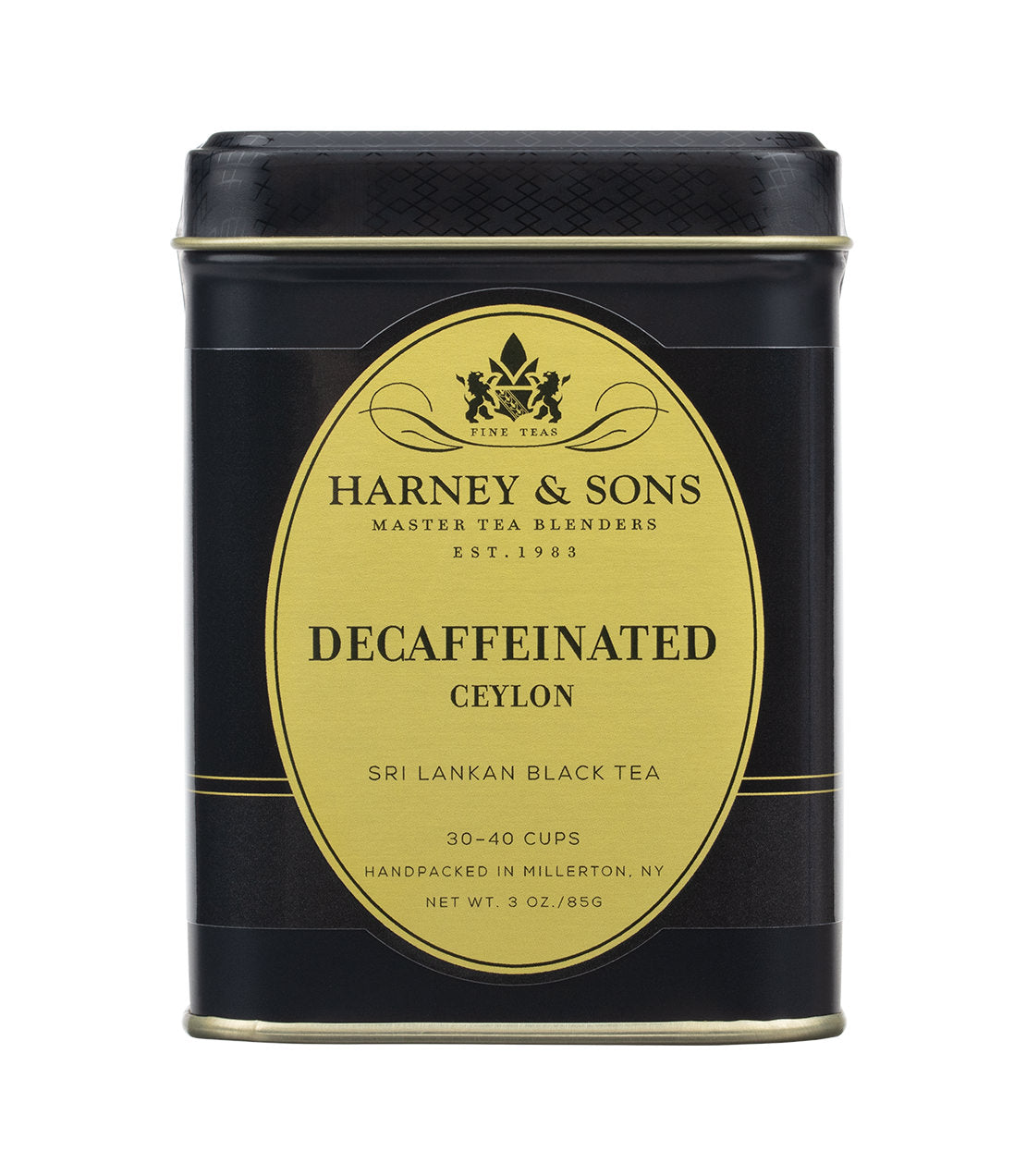
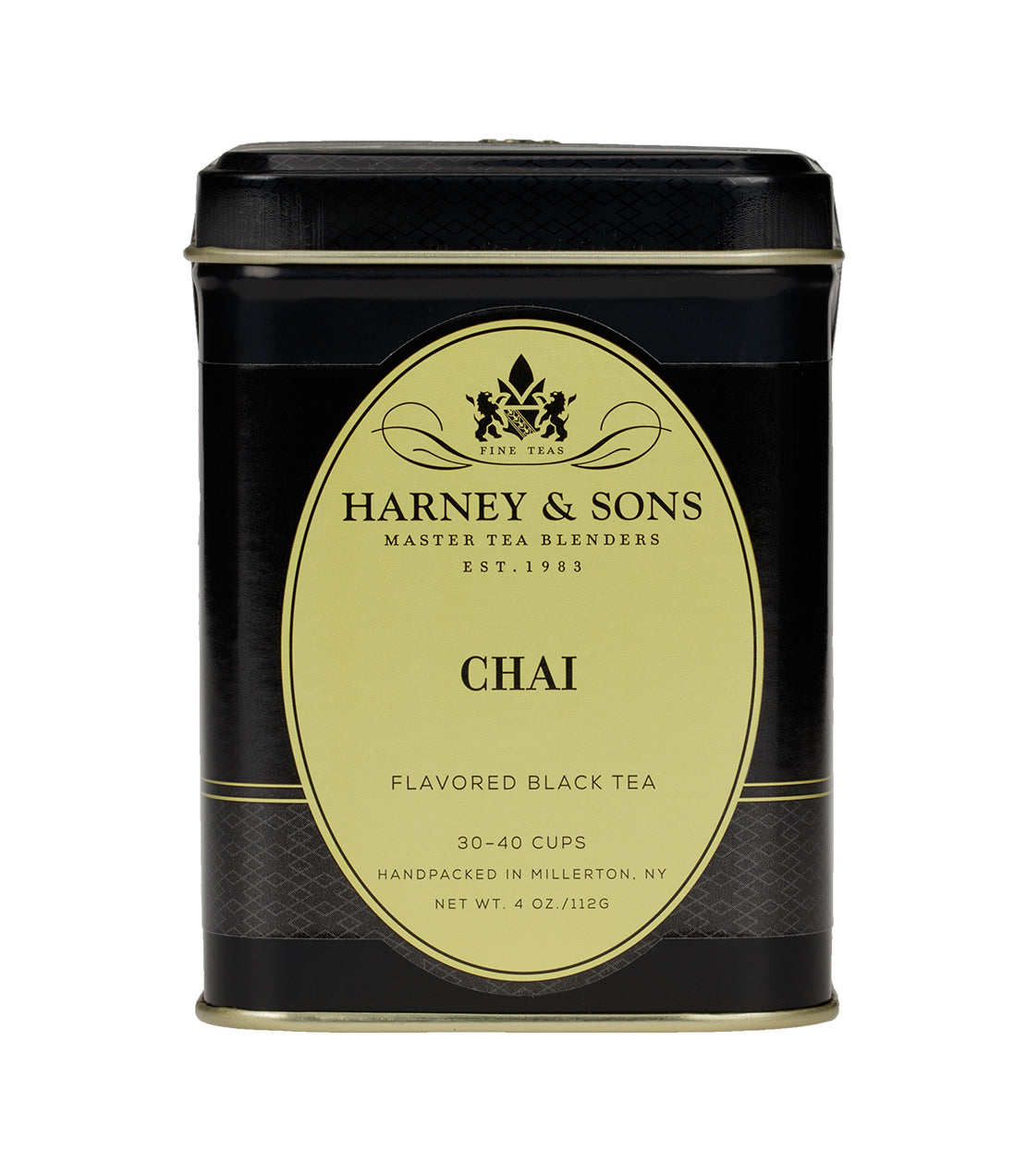

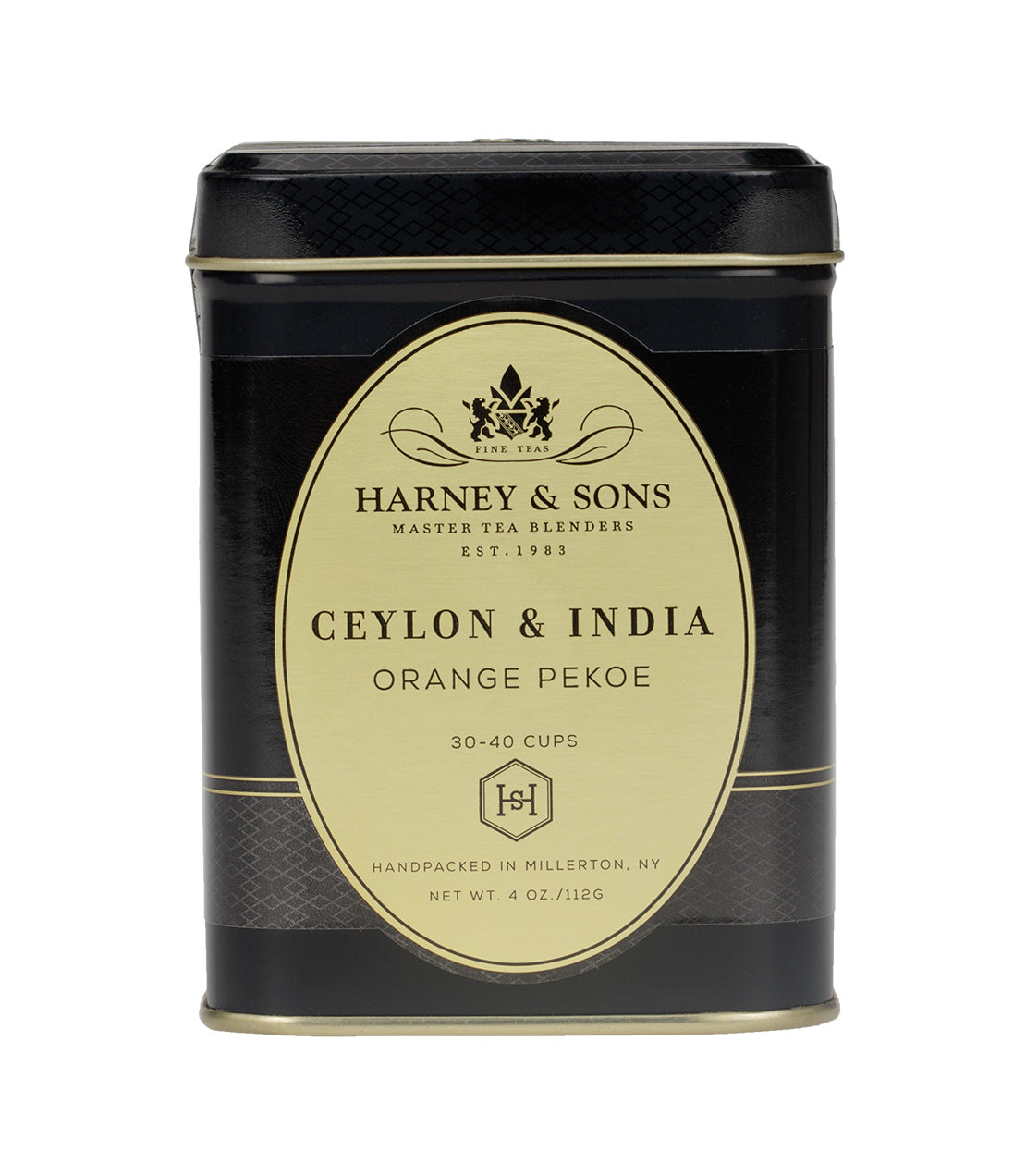
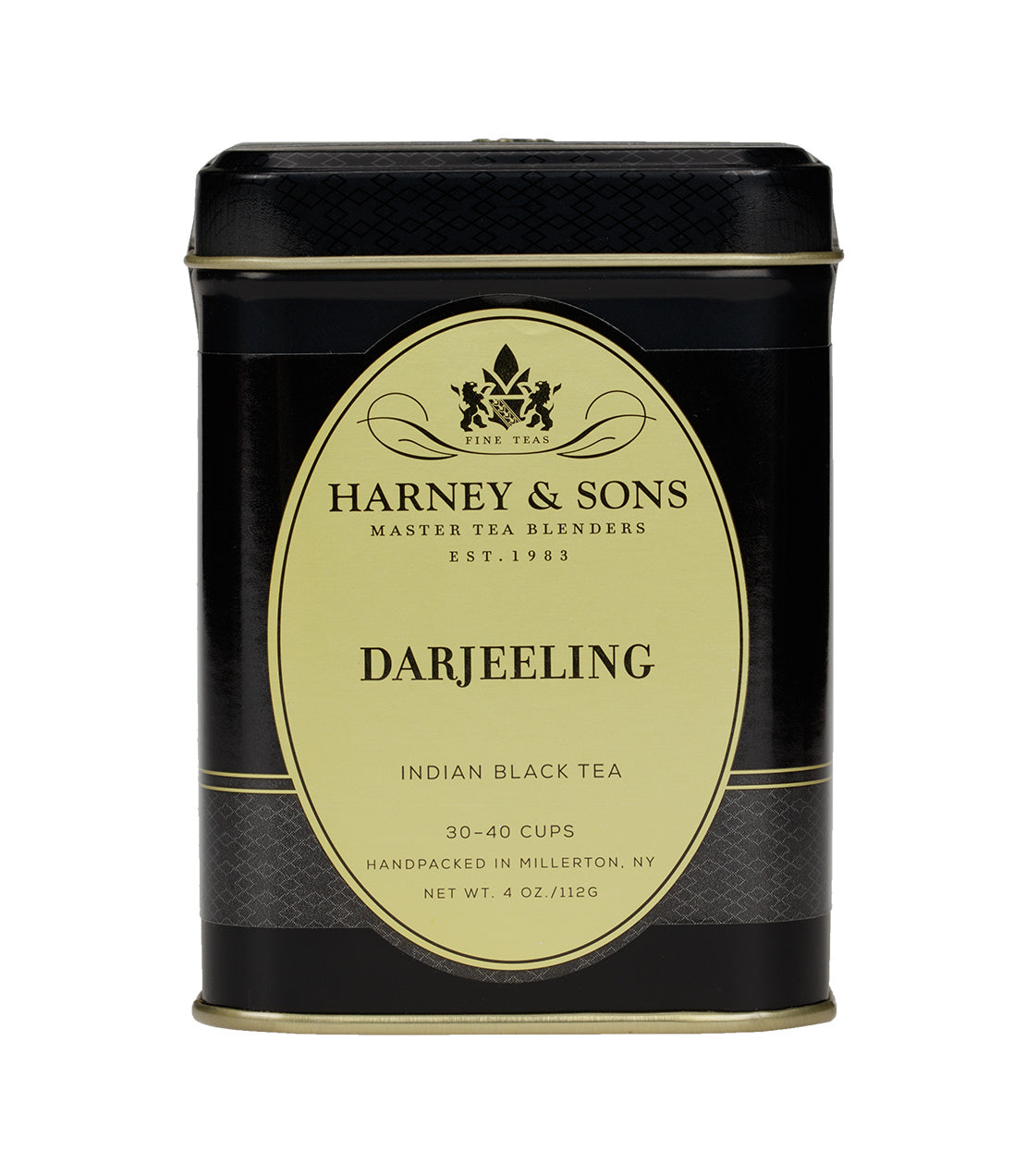
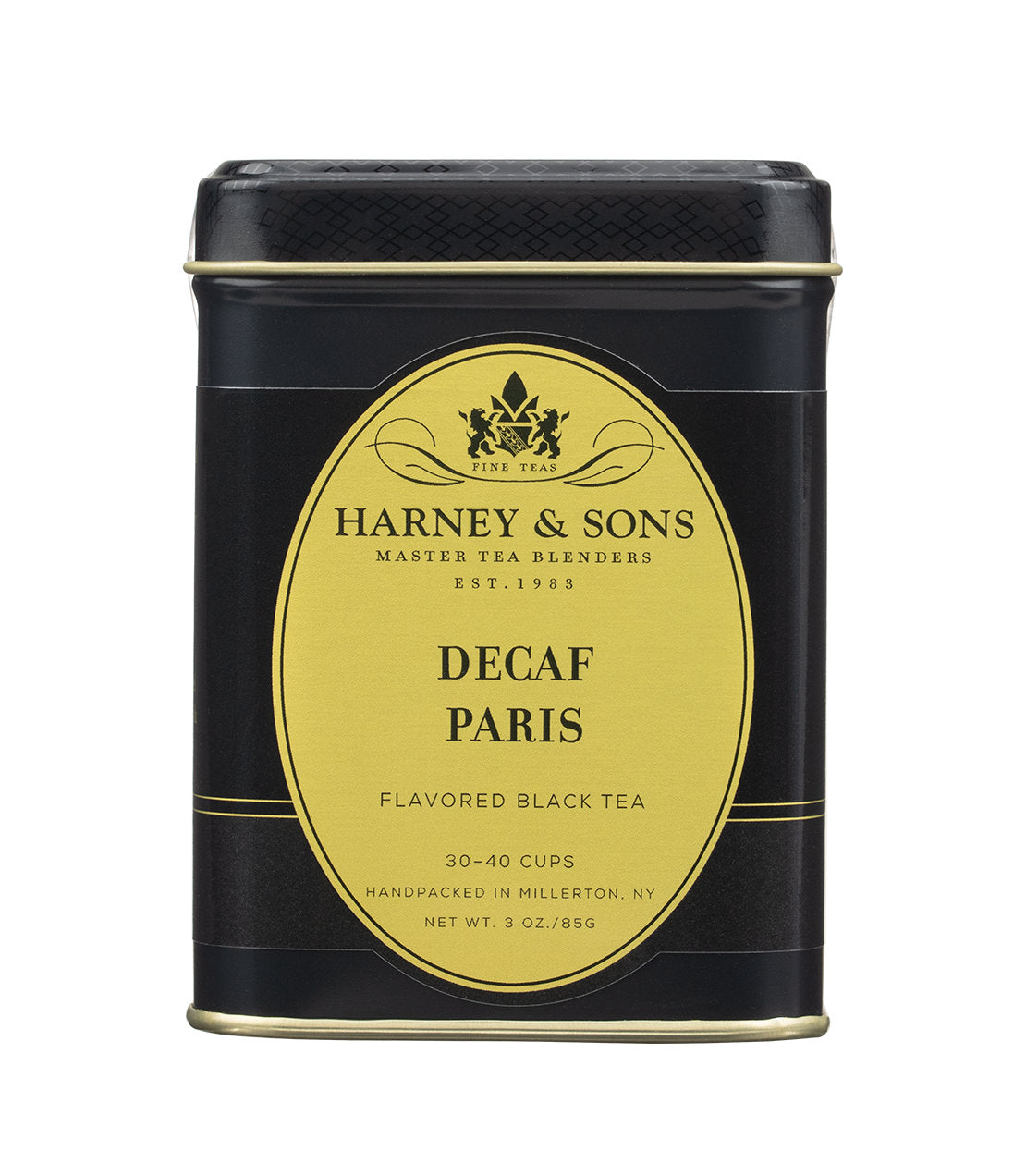
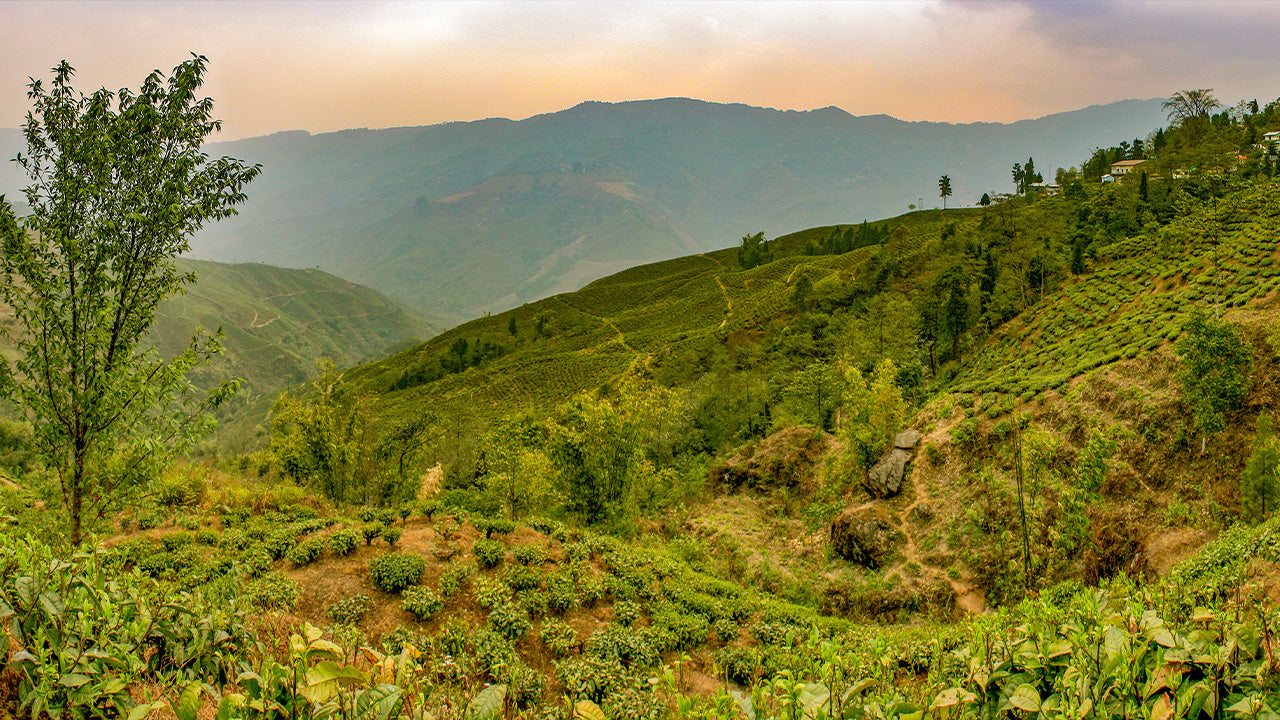
Black Tea Origins
Black tea is the youngest of the major tea styles. White and green teas go back centuries in China, while black tea dates to the 1700s. Chinese black teas tend to be mellow, with notes of honey, chocolate, or smoke. The bolder, brisker cups many people think of as black tea come from South Asia: Assam and Darjeeling in India, and Ceylon from Sri Lanka. They're full-bodied enough to take milk and sugar.
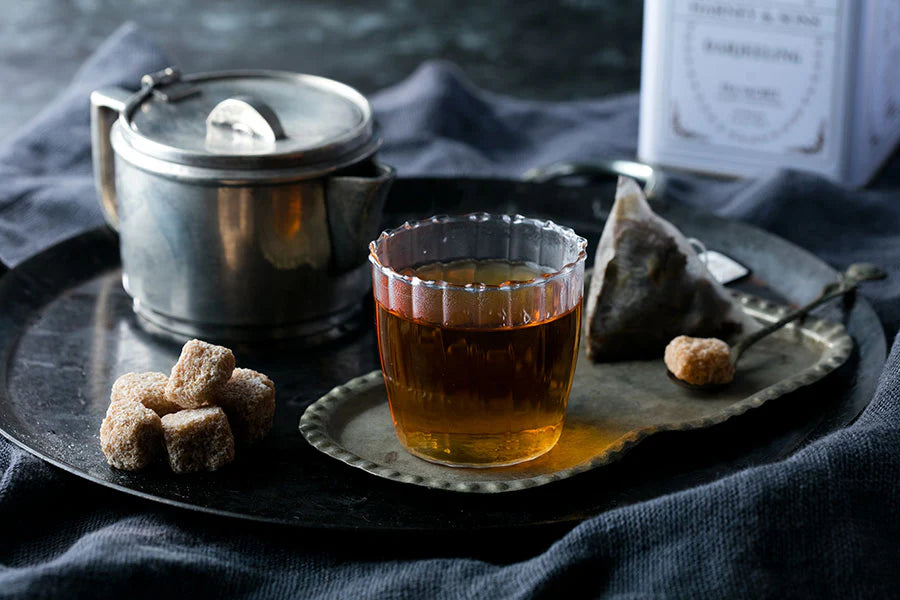
How To Brew Black Tea
- Preheat a teapot by pouring boiling water into it, raising the teapot's temperature to at least 180°F.
- Discard the water. In your teapot or filter, add 1 teaspoon of loose tea for each cup of tea you're brewing.
- Pour freshly boiled water over the tea or tea bag.
- Let the tea steep for a full 5 minutes.
- Pour the tea through a strainer into a cup.
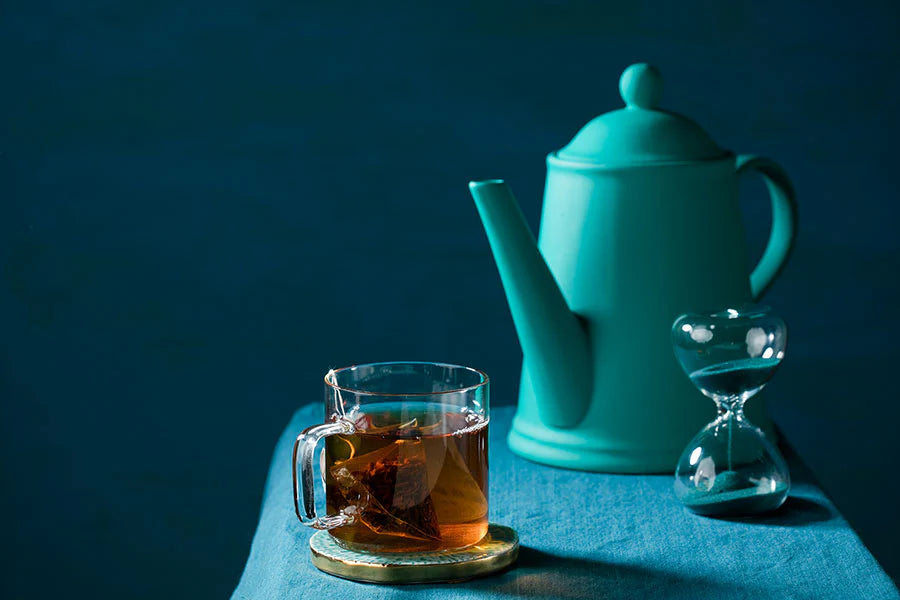
Black Tea Brewing Temperature
Black teas taste best brewed between 205°F and 212°F. With so many blends, the best temperature varies a little from tea to tea, so experiment to find your favorite. An electric kettle with temperature settings or an instant-read thermometer makes it easy.
Black Tea Brewing Time
As a general rule, steep black tea for 4 to 5 minutes, then adjust to your taste. For a stronger cup, use more tea rather than steeping longer.
Frequently Asked Questions
What is black tea?
Tea from the same plant as green, white, and oolong tea, Camellia sinensis. The leaves are withered, rolled, fully oxidized, and fired, which turns them dark and gives black tea its warm, malty, and toasty flavors.
How much caffeine does black tea have?
Our caffeinated black teas have about 40 to 60 mg of caffeine per cup. Our decaf black teas have under 3 mg a cup.
How is black tea different from green tea?
Both come from the same plant. Green tea is briefly heated soon after picking, which stops oxidation and keeps its fresh, green flavors. Black tea is fully oxidized, which turns the leaves dark and the flavor deeper and toastier.
How do I brew black tea?
Use 1 teaspoon of loose tea, or one sachet or teabag, per cup. Pour freshly boiled water (205°F to 212°F) over it and steep for 4 to 5 minutes. For a stronger cup, add more tea rather than steeping longer.
Should I add milk and sugar?
That's your choice. Full-bodied teas like Assam and many Ceylons stand up well to milk and sugar, while lighter teas such as Darjeeling are lovely on their own.
Which black tea should I try first?
For a classic morning cup, English Breakfast. For Earl Grey, Earl Grey Supreme. For something flavored, Paris or Hot Cinnamon Spice. Or take our Black Tea Quiz.
Loose leaf, sachets, or teabags?
Many of our black teas come all three ways. Loose leaf gives you the most control over strength; sachets and teabags are the easy everyday choice.
Is there a caffeine-free option?
Our decaf black teas keep under 3 mg a cup. For no caffeine at all, most of our herbal teas are caffeine-free, like Chamomile and Peppermint.