
Matcha green tea is shade-grown, stone-ground to a fine powder, and whisked rather than steeped for a bright, vegetal cup. Our range runs from ceremonial-grade thin, thick, and extra-thick matcha to flavored blends and culinary matcha for baking, along with the whisks, bowls, and scoops for making it.
New to matcha? Read Matcha 101.
6 products
Sort by
Sort by
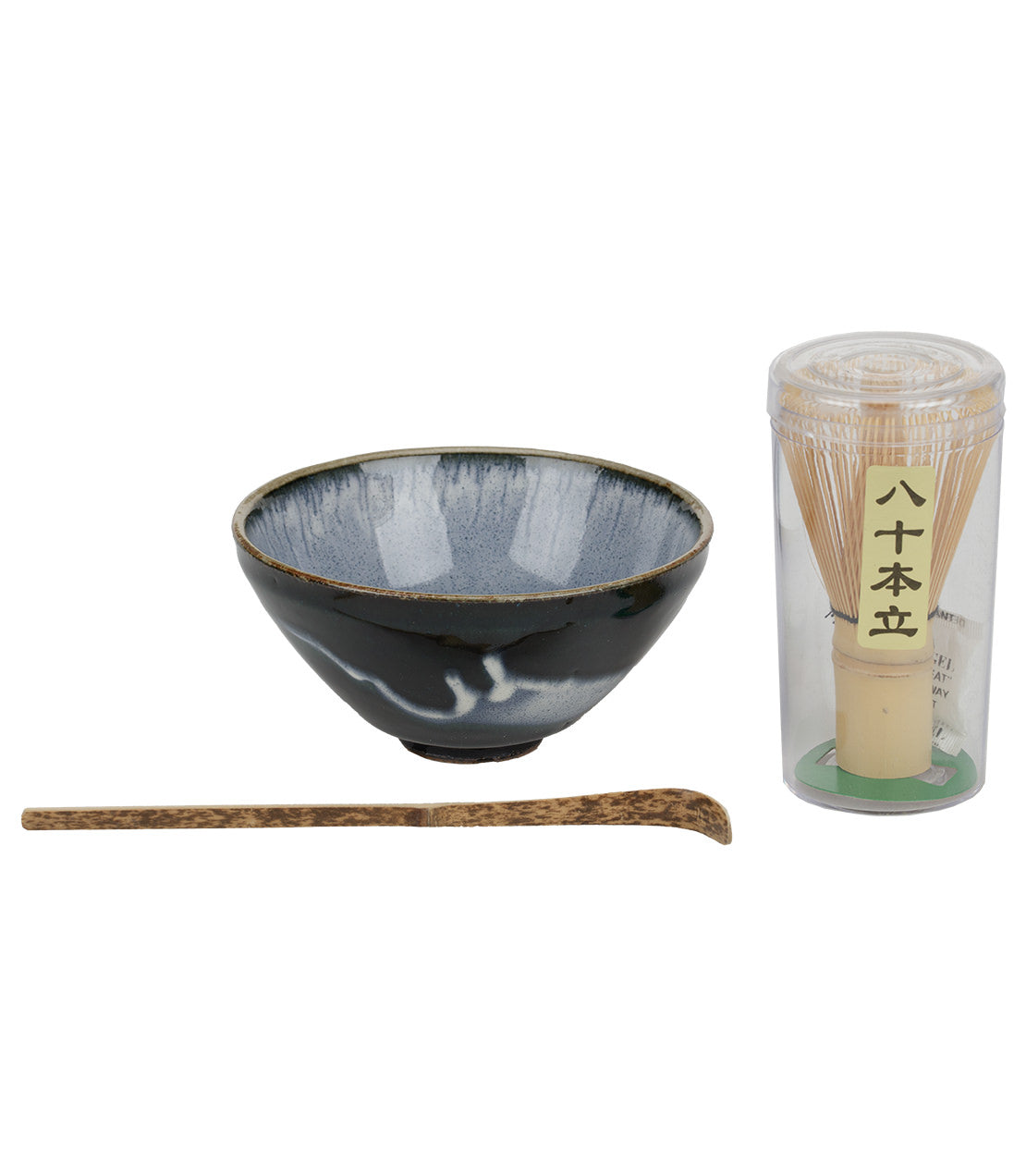
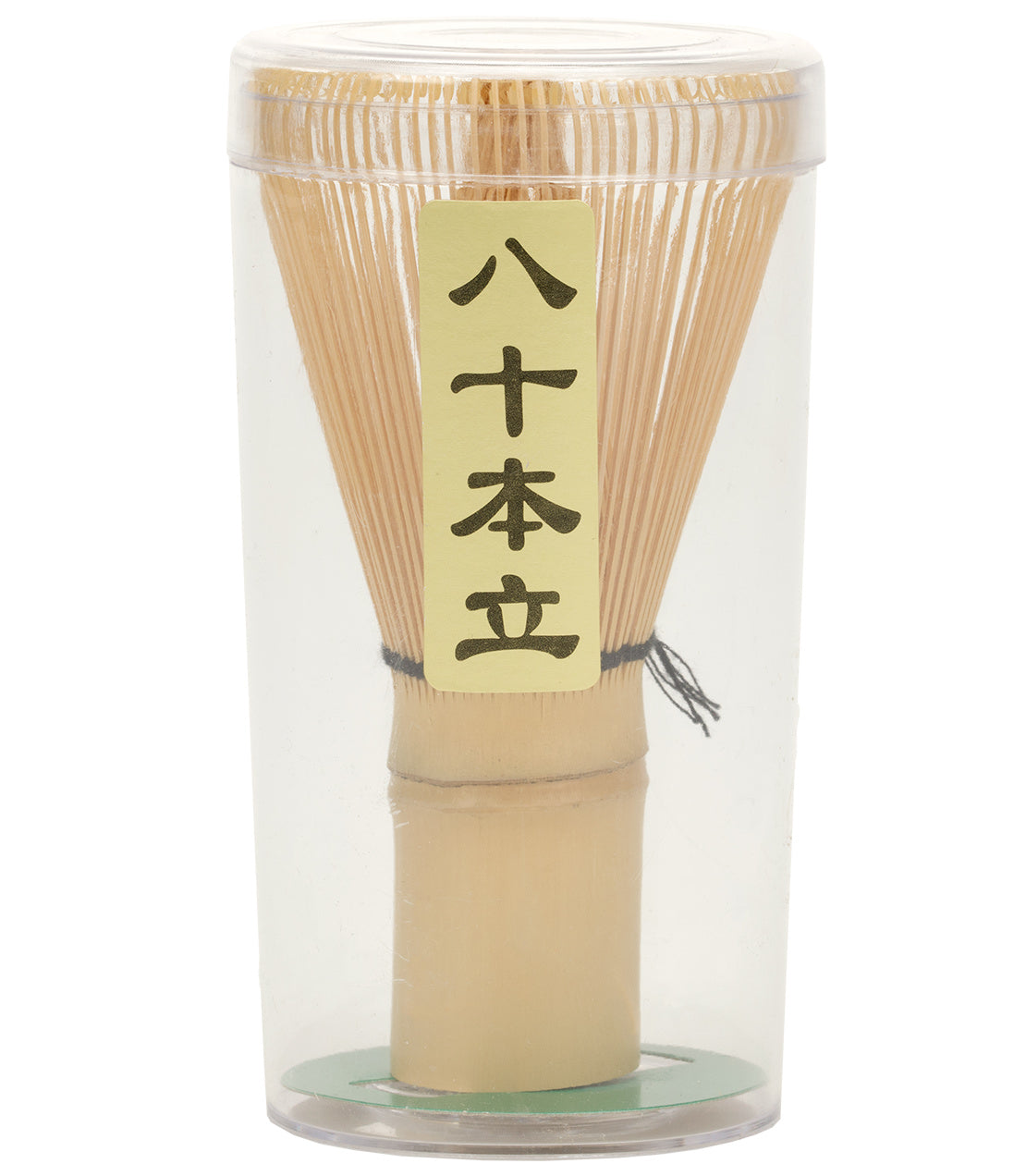
T-Whisk Bamboo / 80 Prong
Sale price$ 23.95
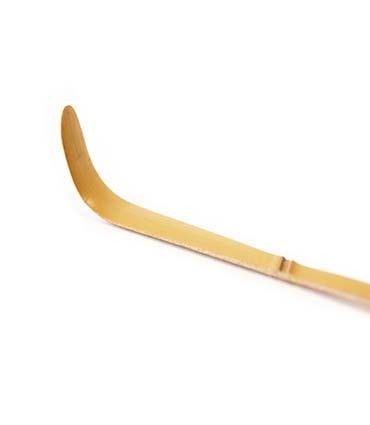
Matcha Scoop – Bamboo
Sale price$ 11.95
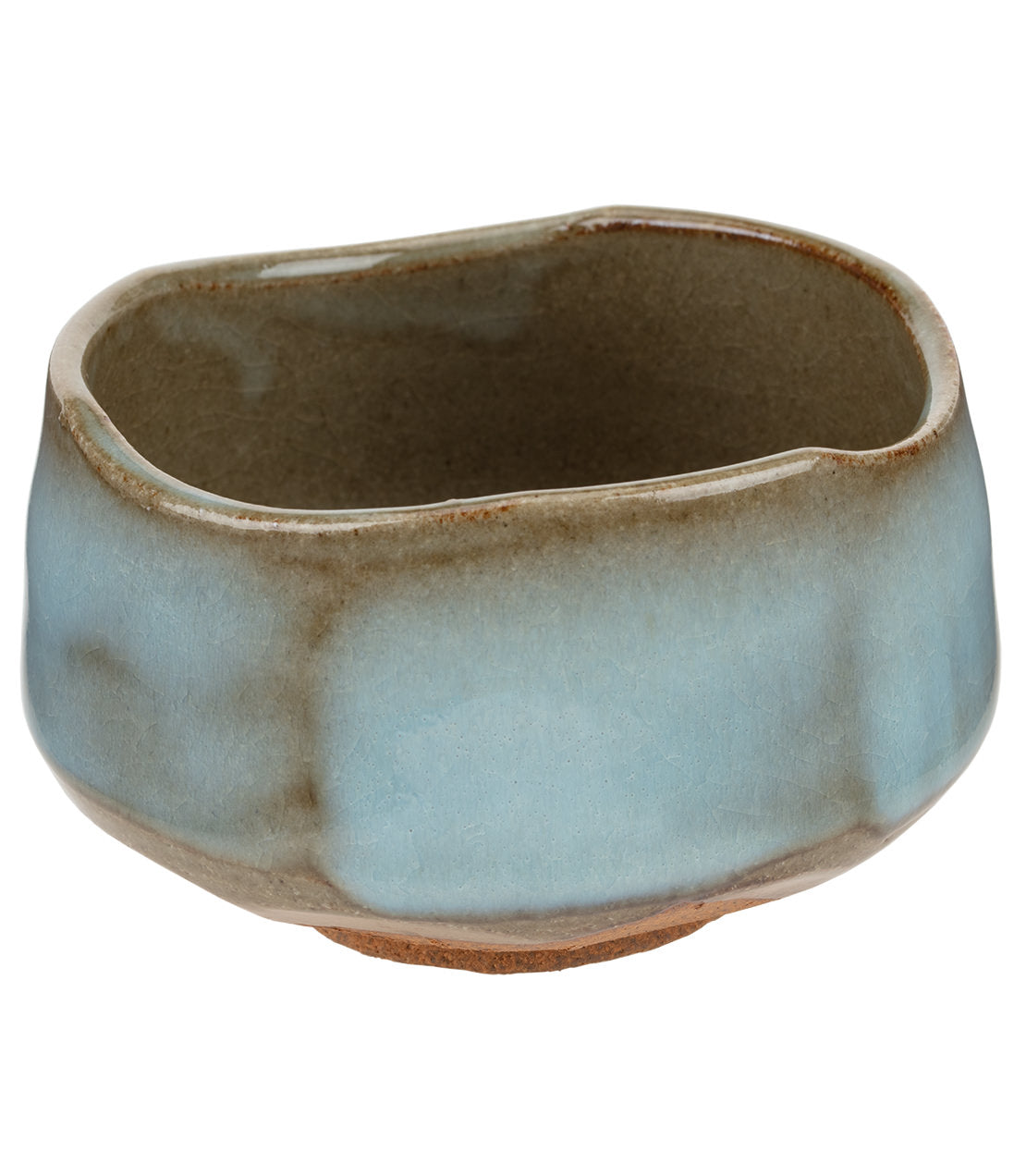
Matcha Bowls (Assorted Colors)
Sale price$ 35.95

3 colors available

Matcha Whisk Stand (Assorted Colors)
Sale price$ 14.00

4 colors available

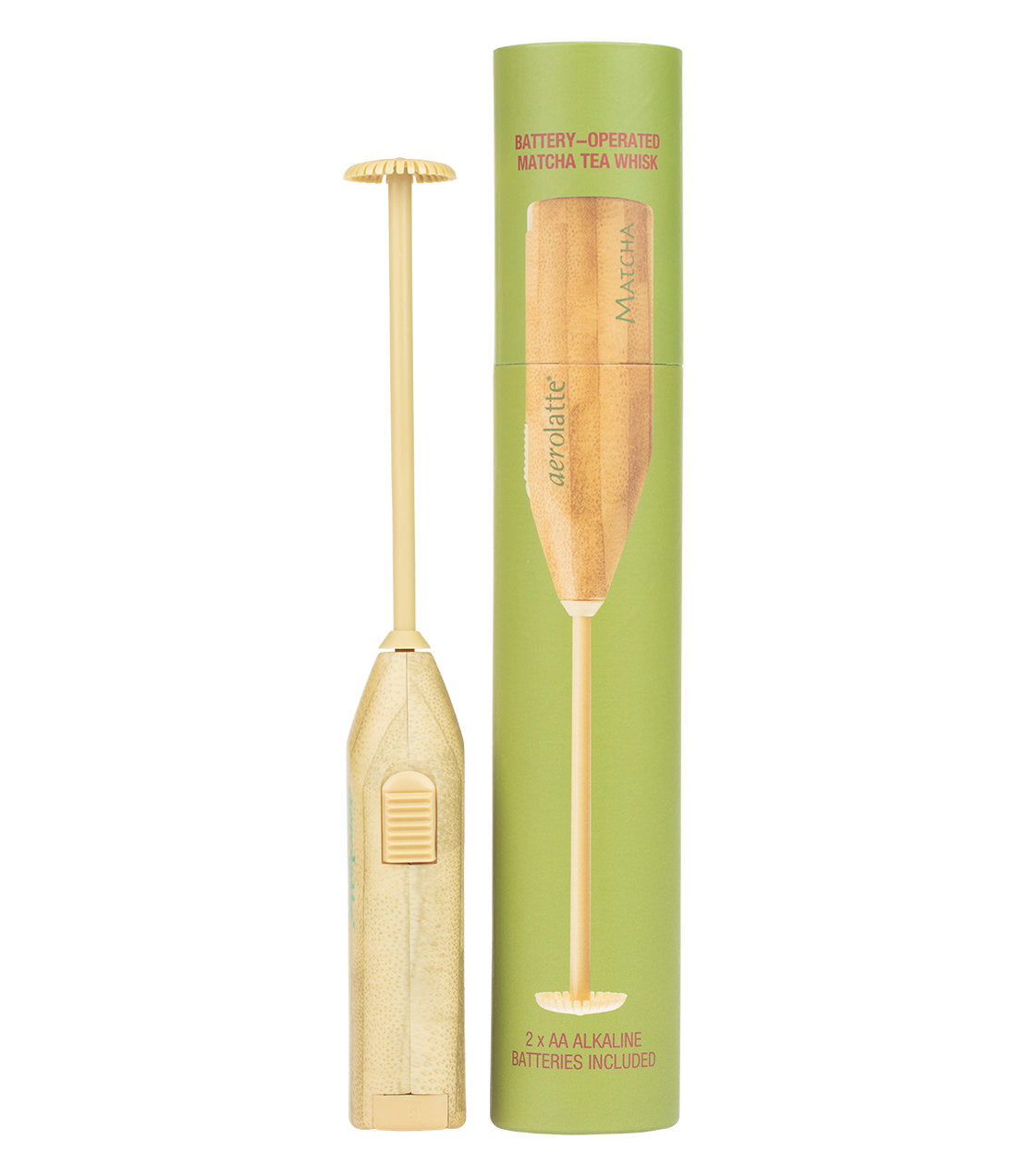
Matcha Tea Frother
Sale price$ 25.00
Quick Reference

Which is right for you?

A simple guide if you're still deciding.

Type
Best For
Try (Sachets)
Newcomers, easy brewing
Everyday
Lattes, smoothies, daily use
Upgrade
Drinking straight or lightly sweetened
Experience
Traditional preparation

How to Make Matcha Tea

Unlike most teas, matcha is whisked rather than steeped, which is what gives it a frothy cup. Traditionally it is made with a bamboo whisk and bowl, though a small kitchen whisk or a milk frother works well too. Watch our video on how to make matcha.

To make a cup of matcha:

  • Add 1 to 2 teaspoons of matcha to your bowl or cup
  • Add a little cool water and mix into a smooth paste
  • Add about half a cup of warm water, no hotter than 170°F
  • Whisk vigorously until the tea is frothy
  • Add the remaining water to reach your preferred strength

How Is Matcha Green Tea Different?

Matcha is a powdered green tea, shade-grown near Kyoto and in Kagoshima, Japan. After harvest, the leaves are air-dried and stone-ground into an ultra-fine powder that tastes sweet, grassy, and vegetal. Unlike other teas, with matcha you whisk the whole leaf into the water rather than steeping and straining it, which is part of what gives the cup its color, body, and depth.


Caffeine in Matcha

As a green tea, matcha contains caffeine, and because the whole leaf goes into the cup, a serving can carry nearly as much as a small coffee. Many drinkers find matcha's caffeine feels steady and even, thanks to the L-theanine that occurs naturally alongside it. It makes a thoughtful choice for anyone moderating their caffeine, and a lovely cup on its own, in a latte, or blended into a smoothie.

About Matcha

Common questions

Everything you might be wondering before your first brew.

Matcha is a powdered Japanese green tea, made from leaves shade-grown in the weeks before harvest and stone-milled to a fine powder. Unlike steeped teas, you drink the leaves themselves.

Ceremonial matcha is made from the youngest, sweetest leaves and is meant for traditional whisked preparation. Daily or culinary matcha is made for everyday use — lattes, smoothies, baking — and stands up to milk and other flavors.

The traditional way: sift 2g of matcha into a warm bowl, add 60ml of water at 175°F, and whisk in a brisk W-motion until foamy. For a latte, whisk 4g with a splash of hot water first, then add your milk of choice.

Yes. A typical 2g serving has around 80mg of caffeine. Because you're drinking the leaves themselves, the caffeine content is higher than a typical cup of green tea.

Unopened, matcha will keep for about a year. Once opened, it's best within four to six weeks. Store it sealed in the fridge, away from light and air, to keep the color and flavor vibrant.

Regular green tea is steeped, and the leaves are discarded. Matcha is the leaves themselves, stone-ground into a powder you whisk directly into water. The shade-growing process and the fact that you consume the whole leaf give matcha its deeper umami and more saturated color.