



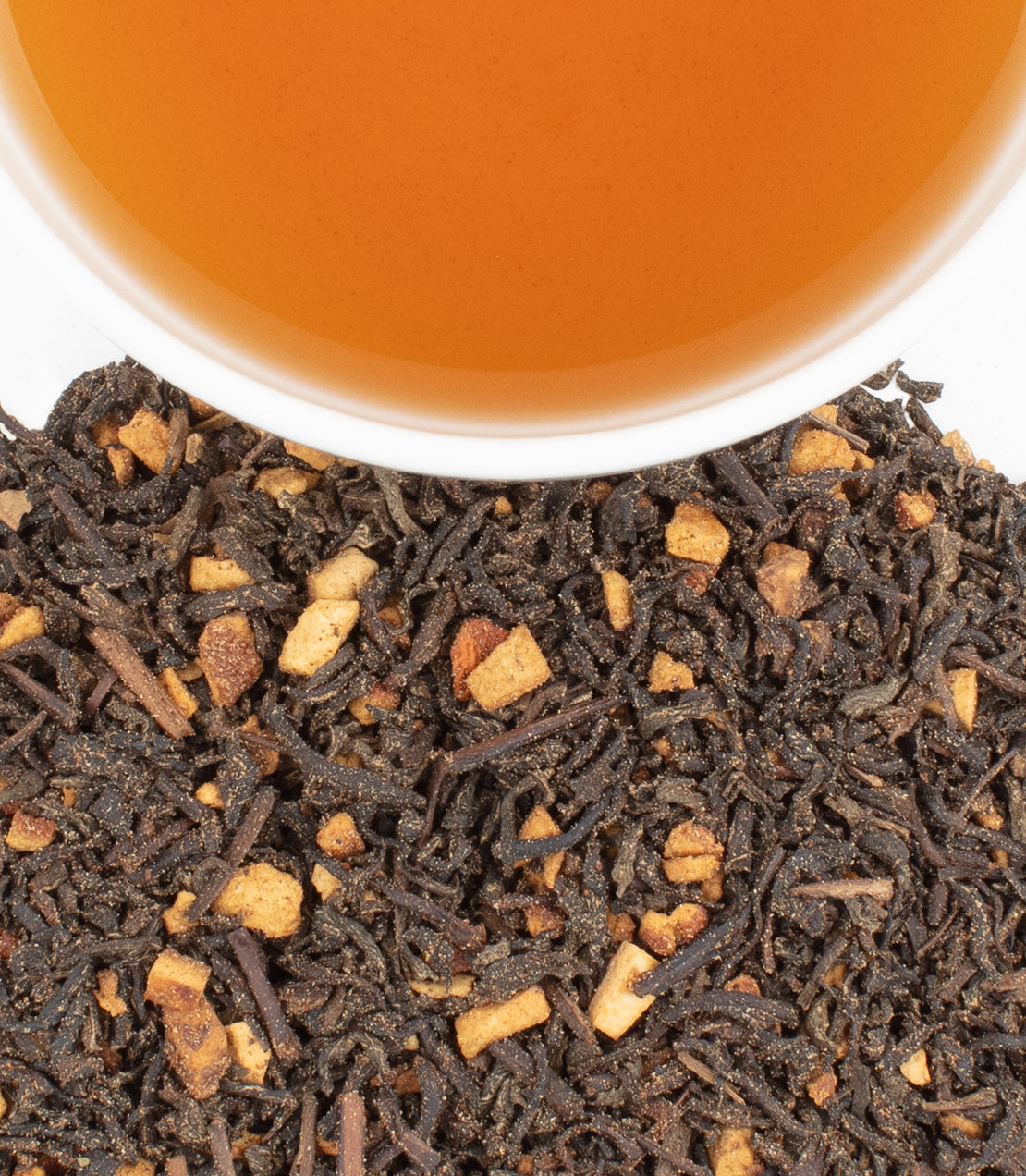
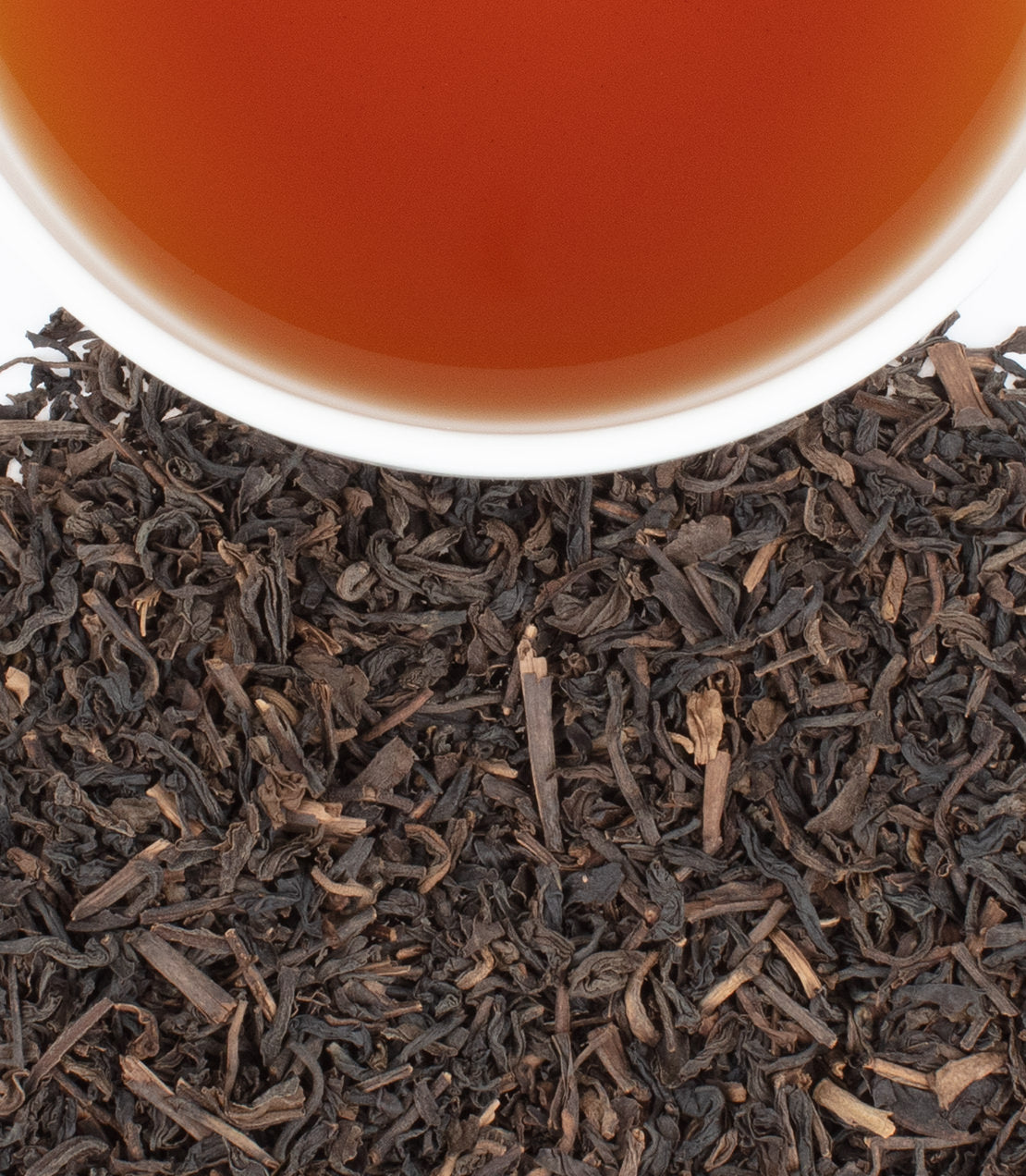
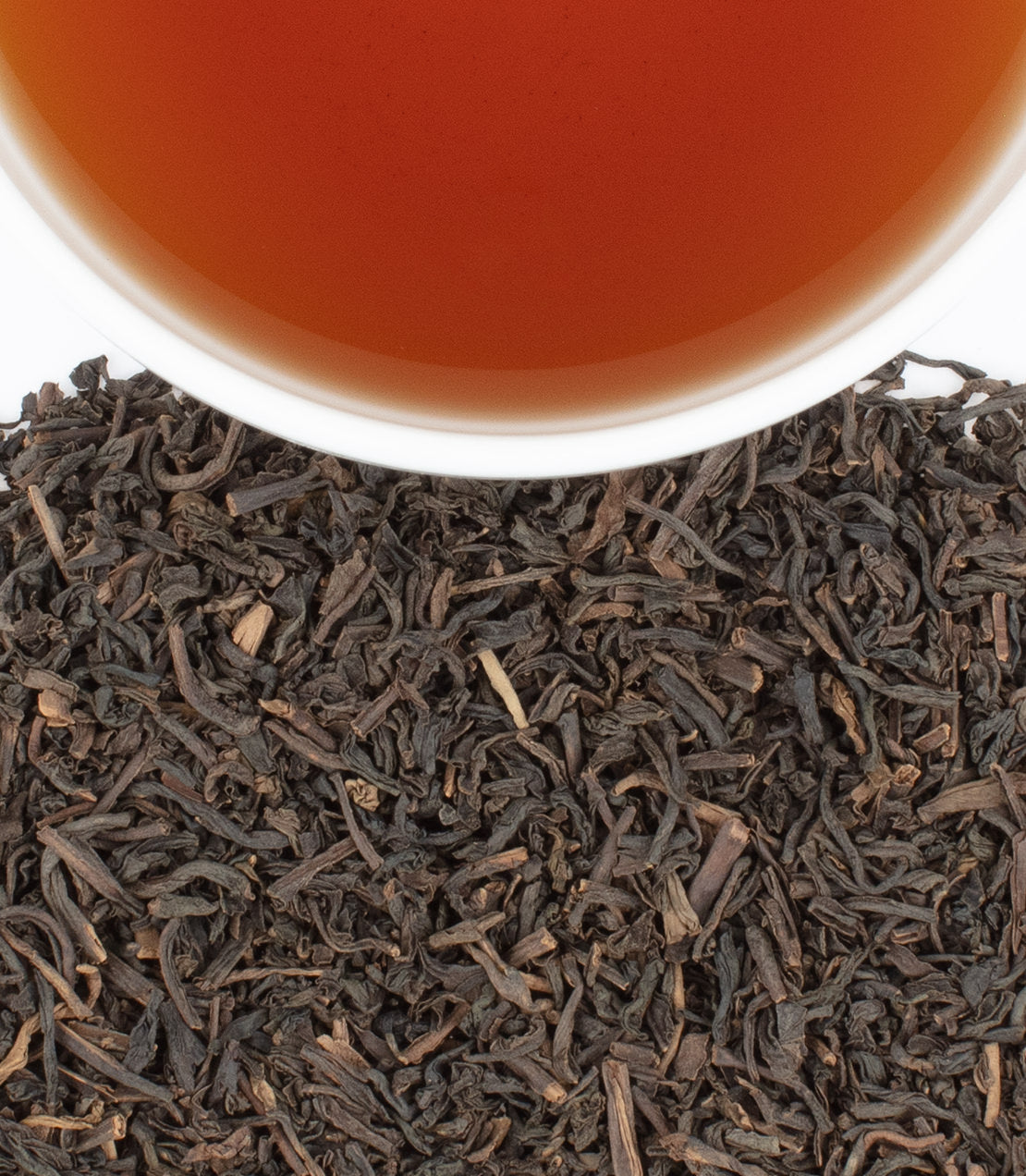
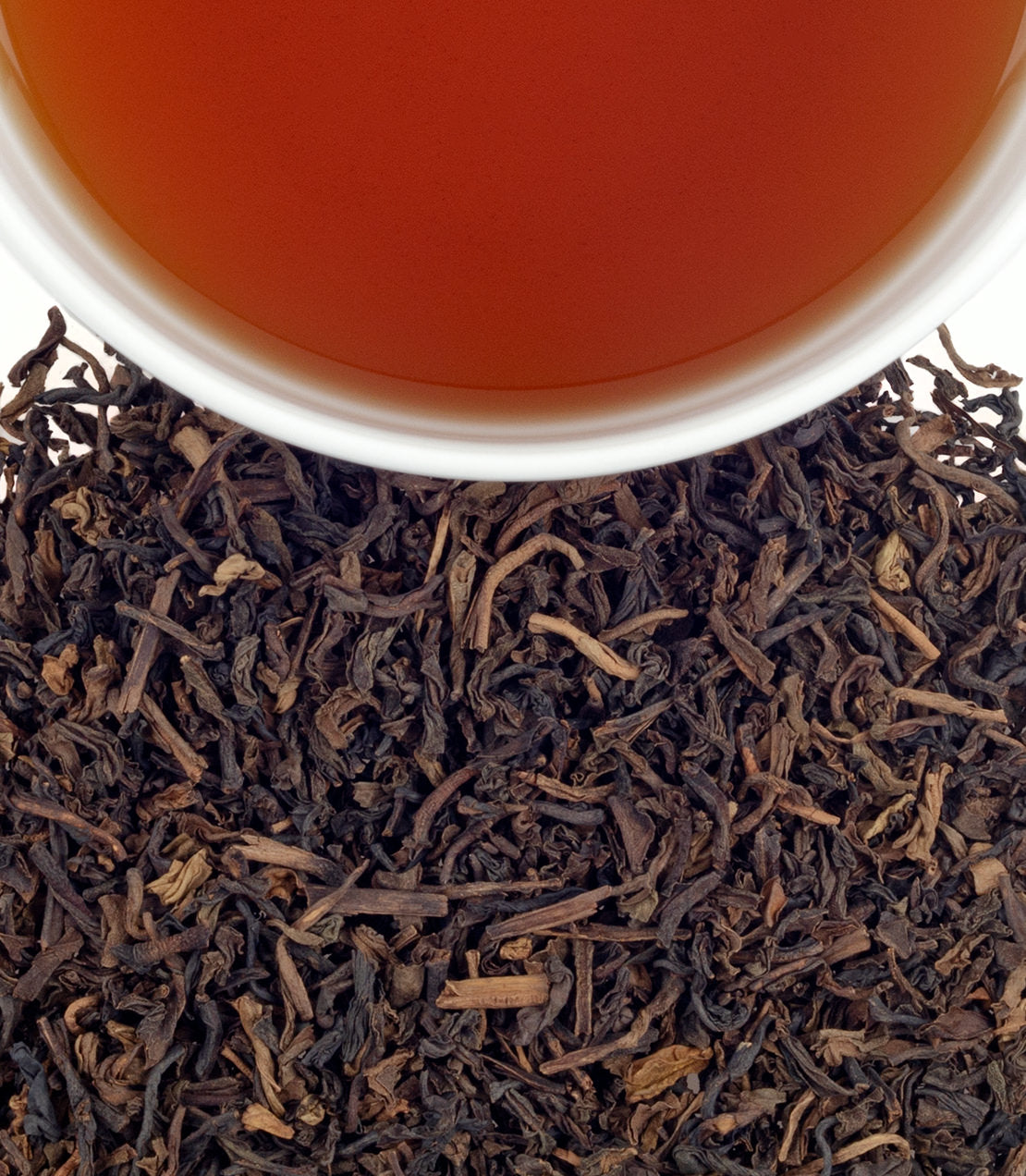
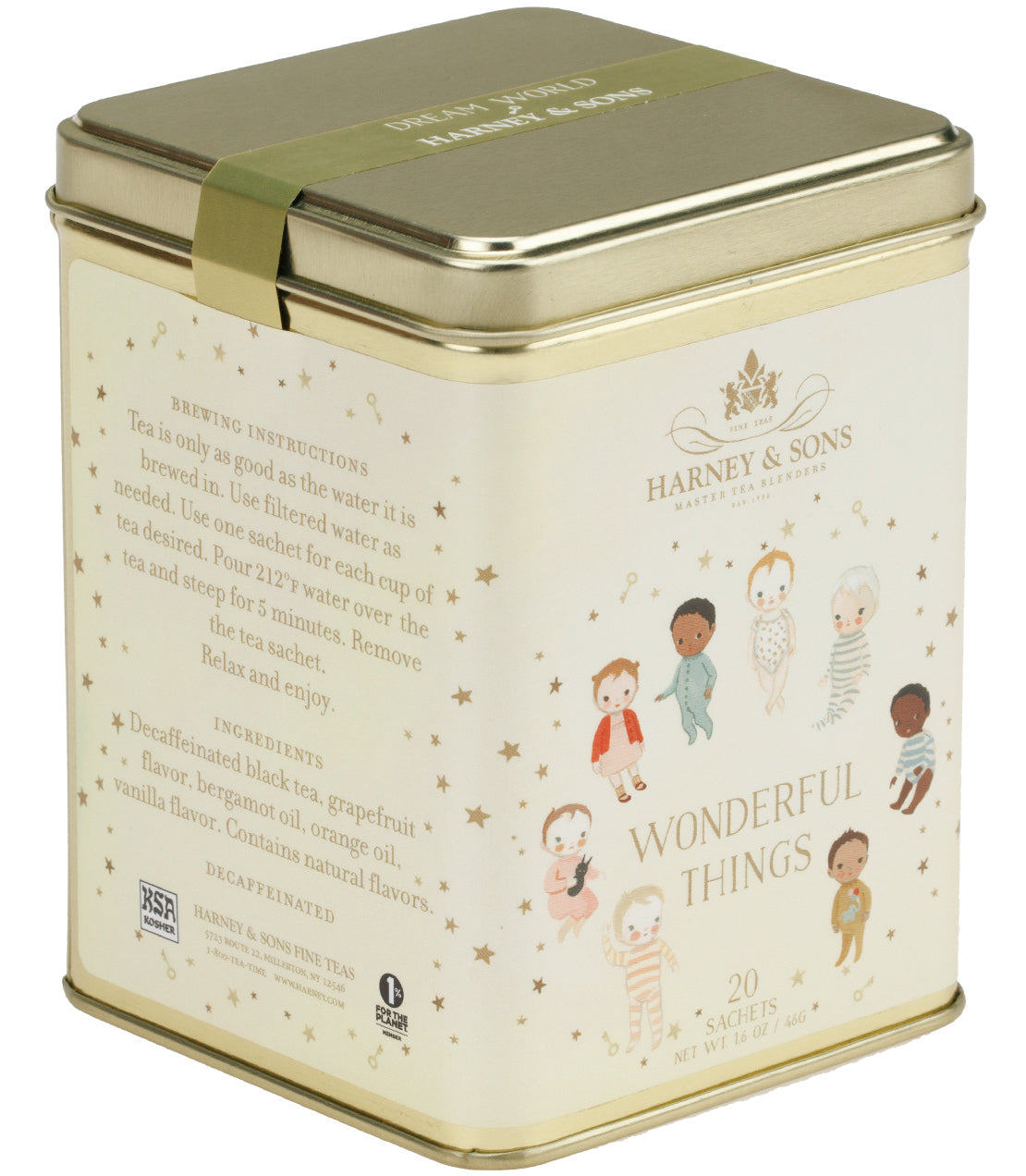
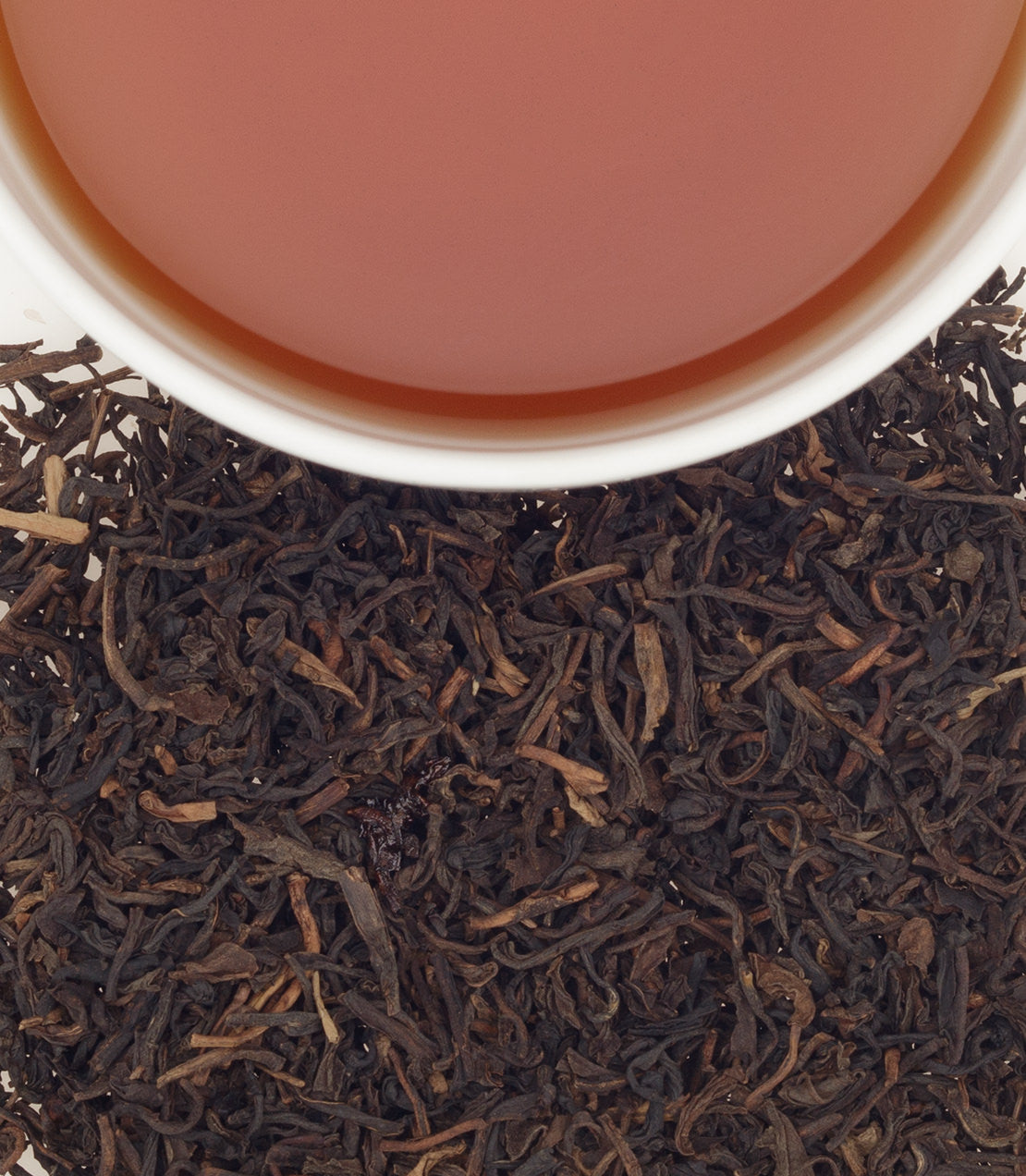
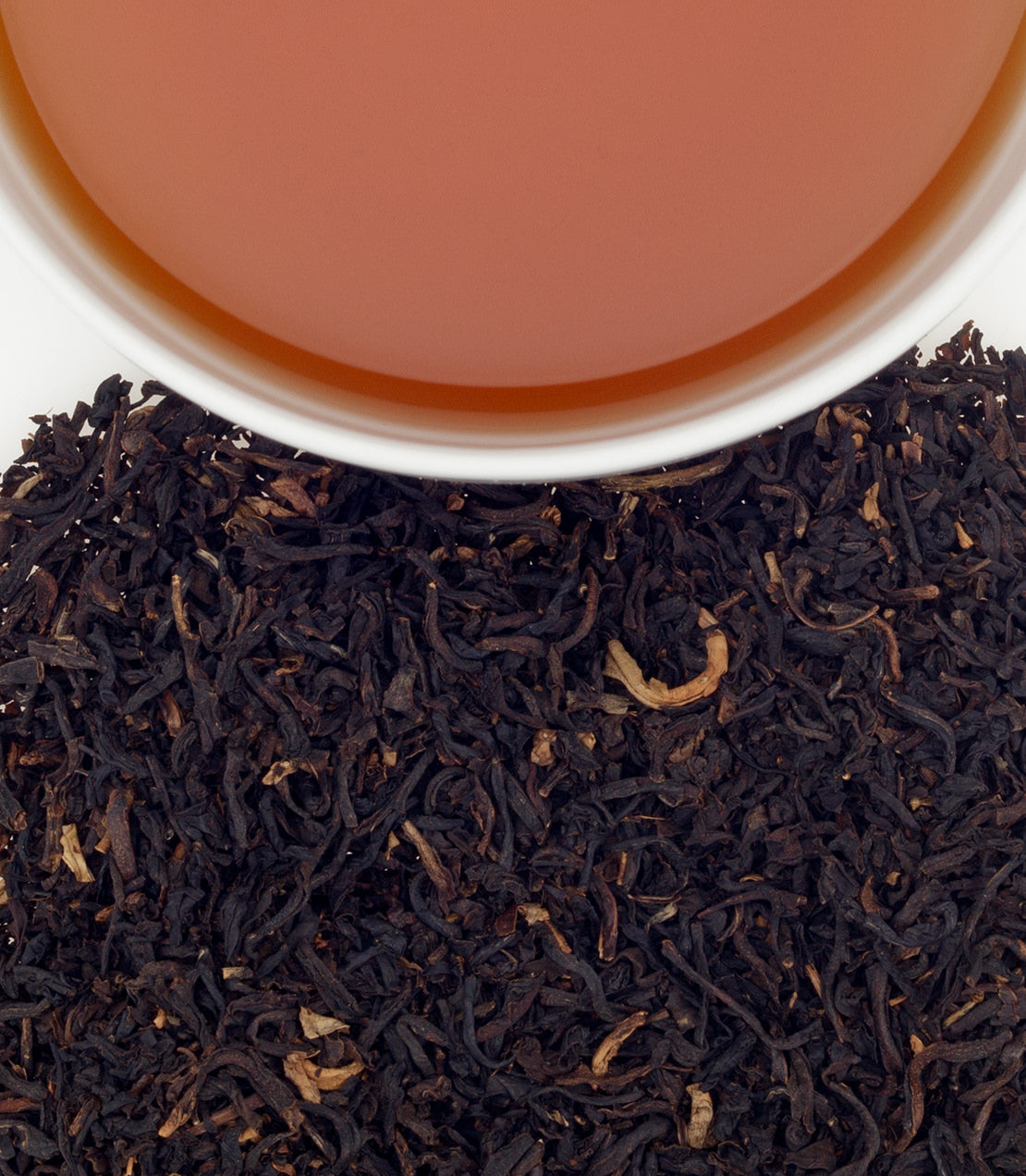
Whether you avoid caffeine because of doctor's orders or because it keeps you awake at night, we think you will agree that any one of these teas will provide you with a great cup. Contrary to what many people believe, "decaf" tea can taste very good. So, what exactly is decaffeinated tea? Decaf tea is made from the same high-quality leaves as our regular teas, but with the caffeine removed. While a trace amount may remain (typically less than 2–3mg per cup, compared to the 40–70mg found in a standard cup of tea), it is minimal enough for most people to enjoy at any hour of the day.
From a cozy evening wind-down to a mid-afternoon moment of calm, our decaf collection lets you savor every sip without the worry. Teatime is anytime, and now, it truly is.
Decaffeinated Tea
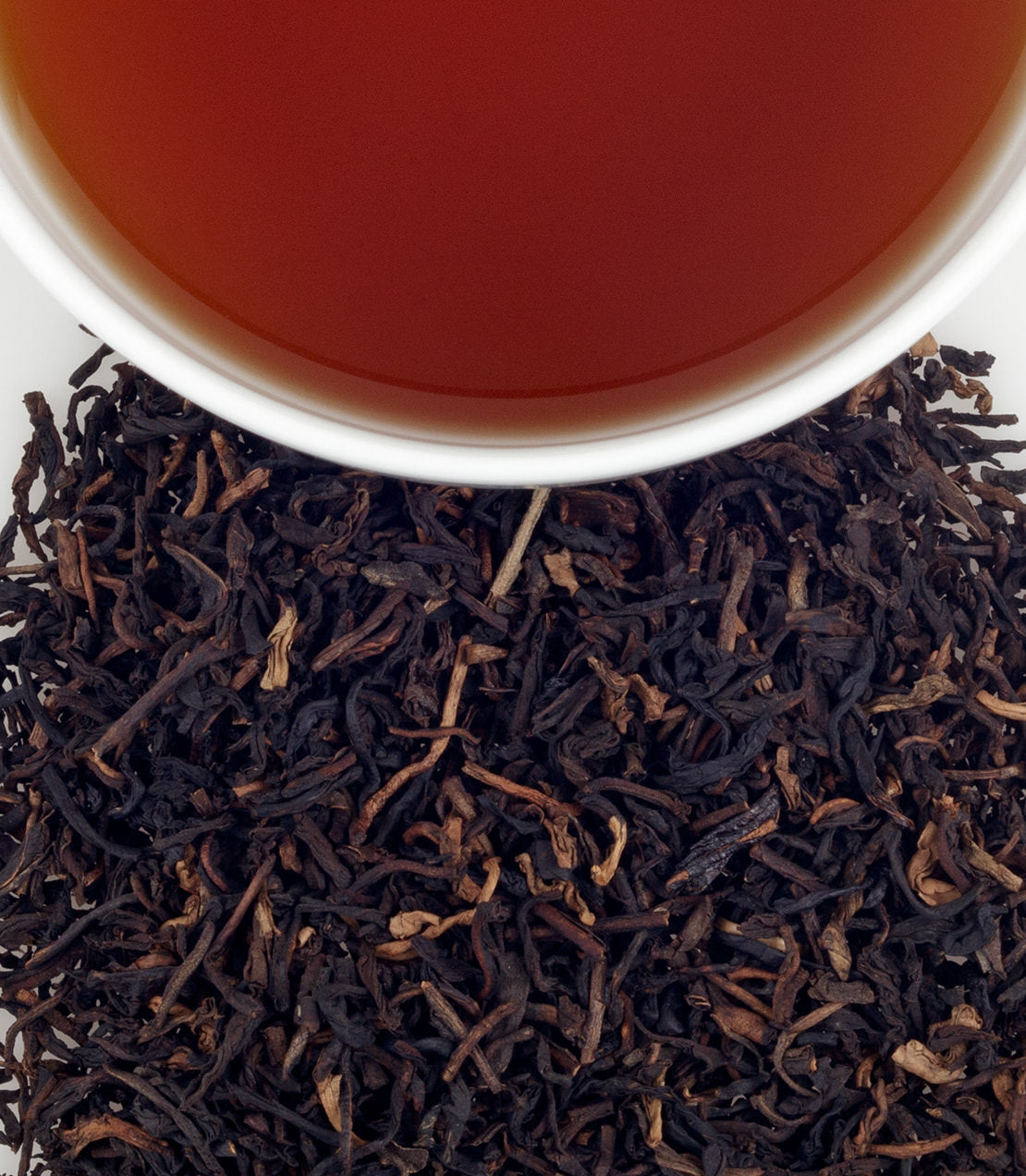
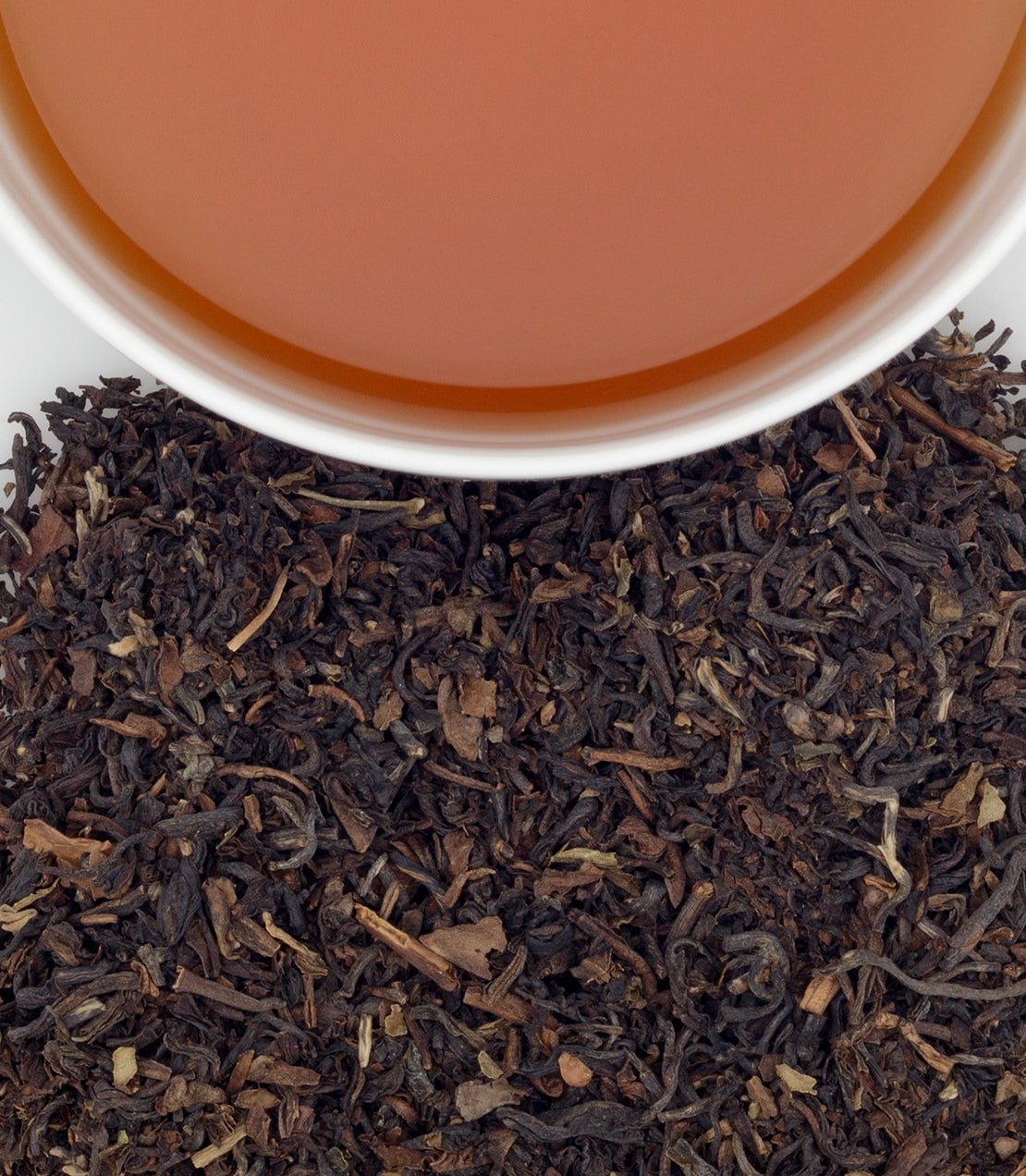
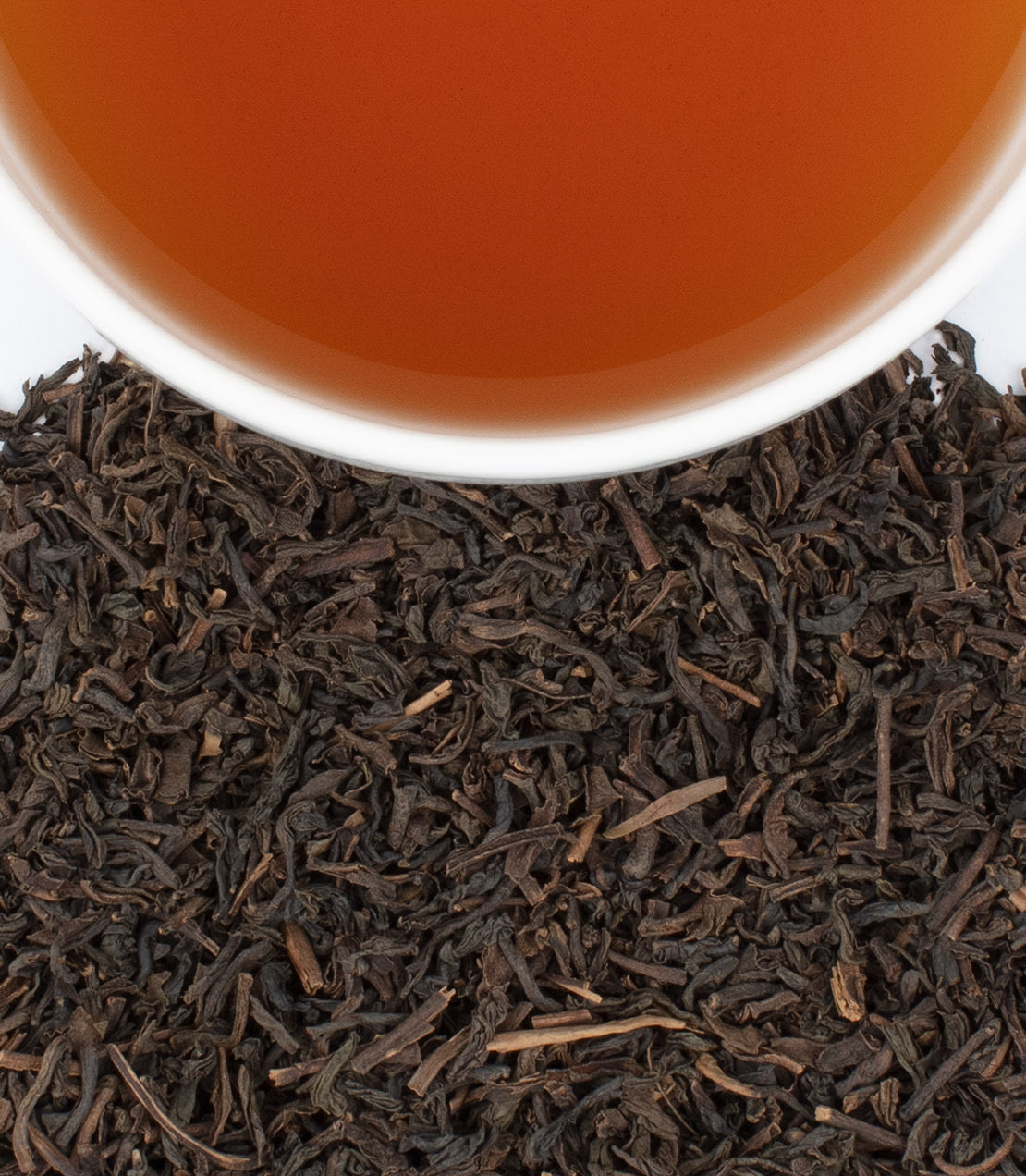
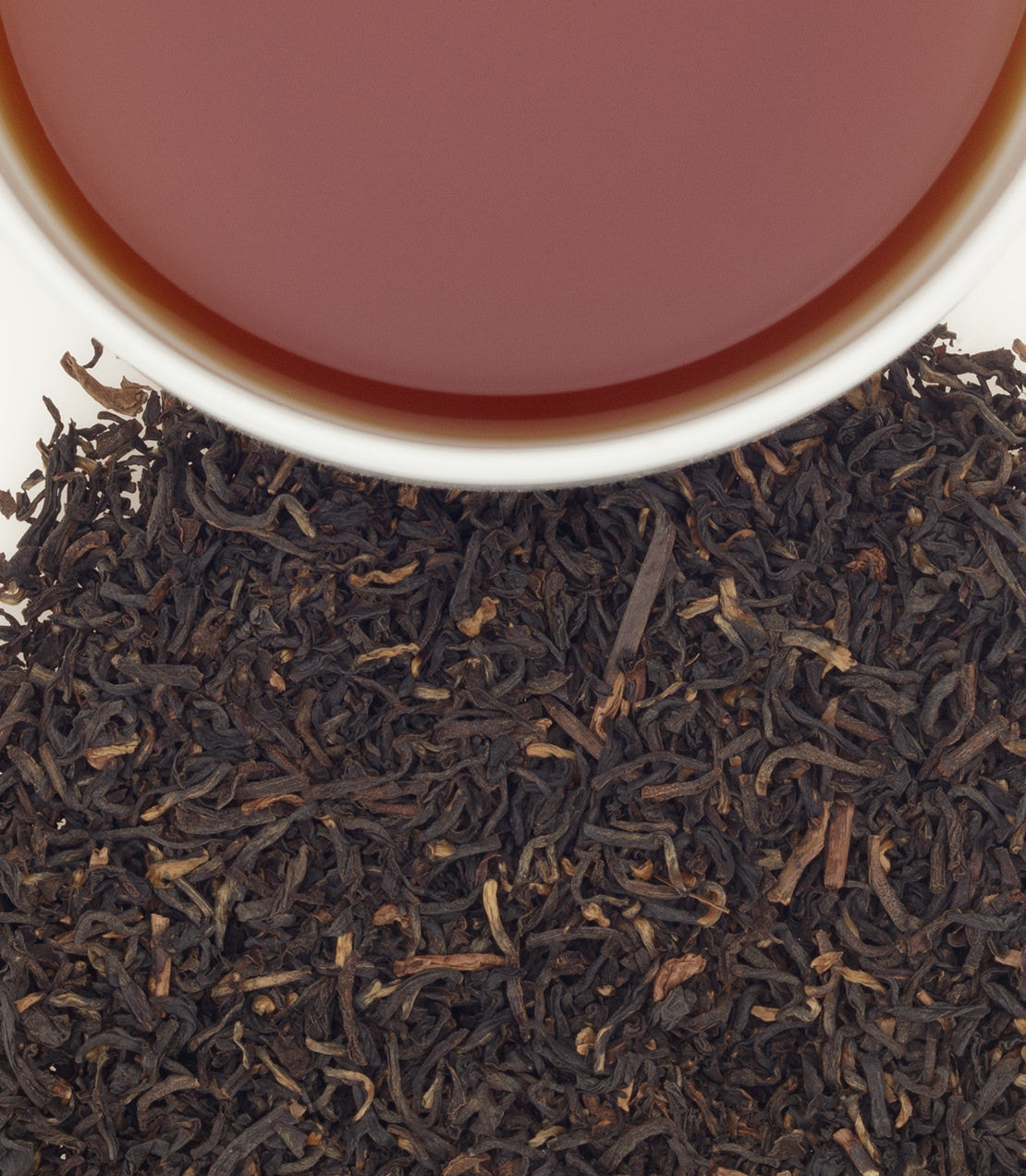
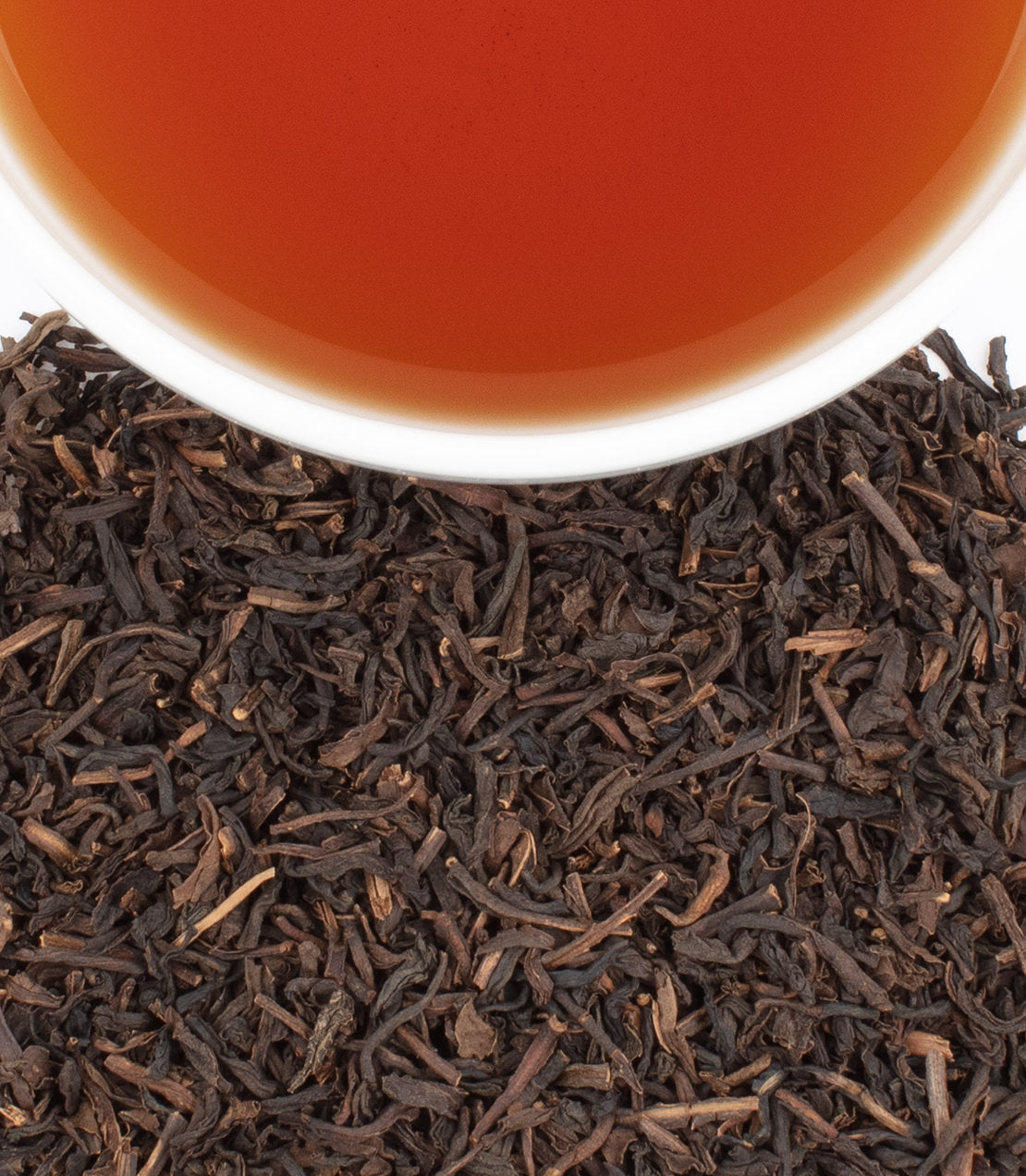
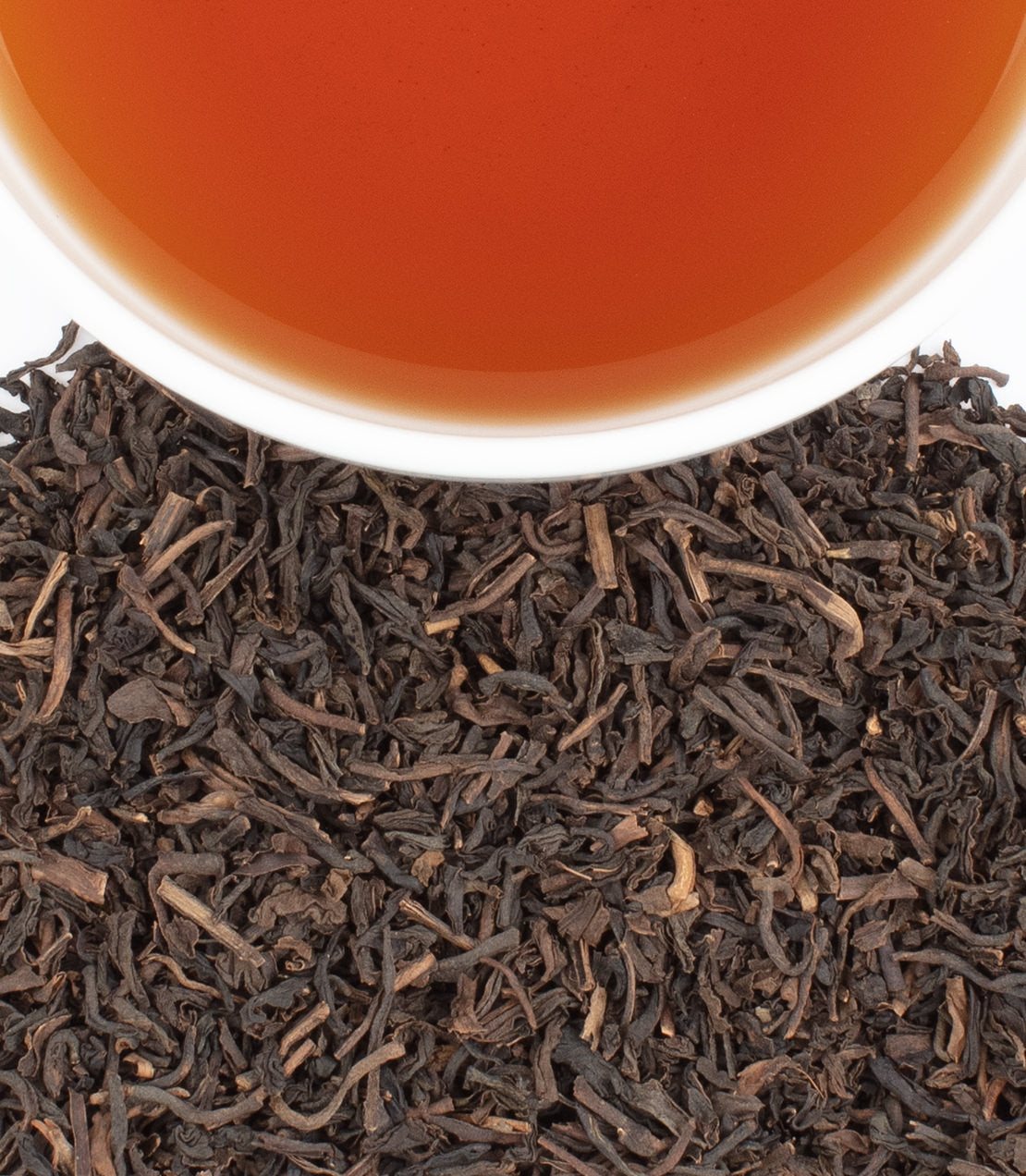
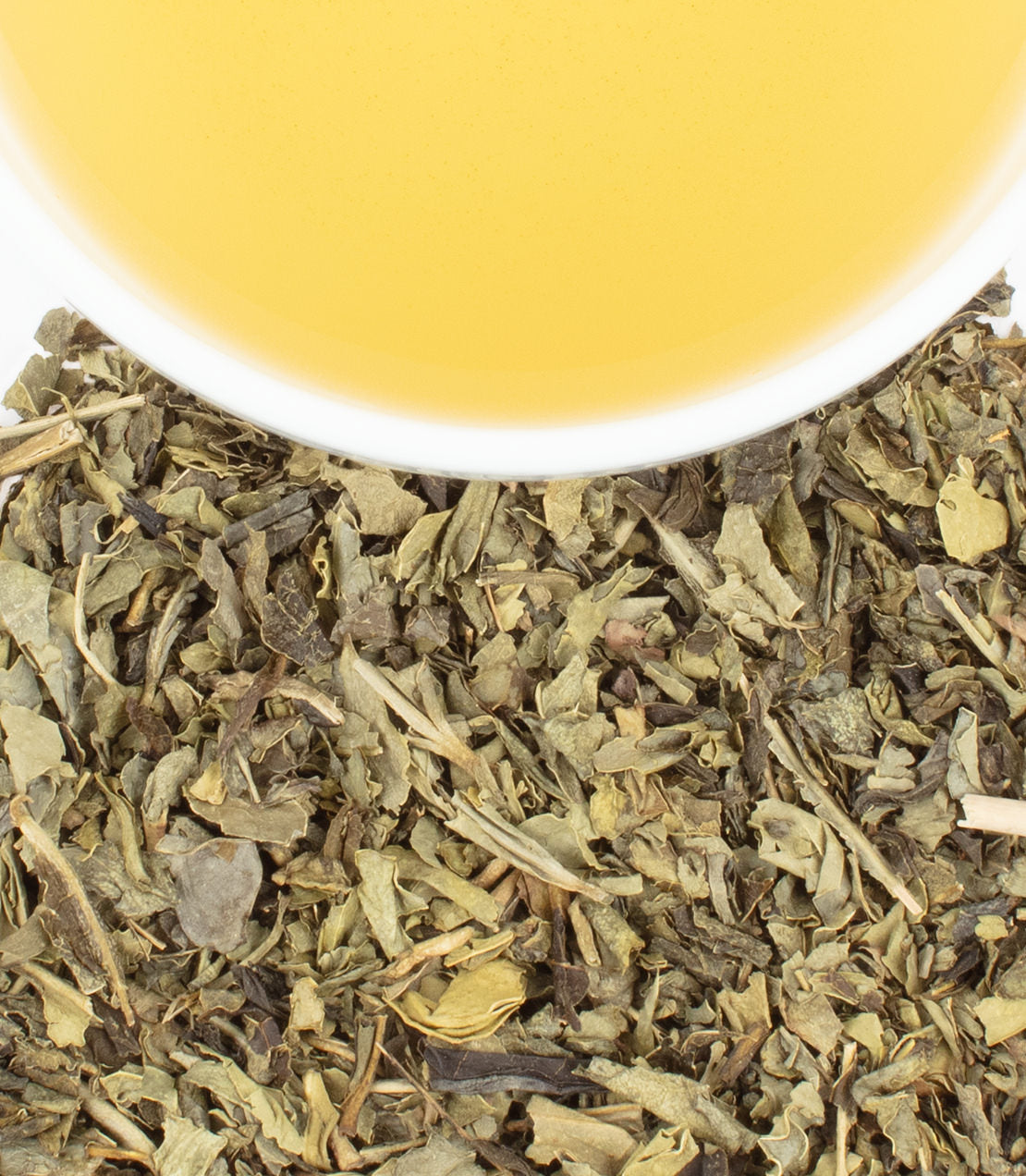
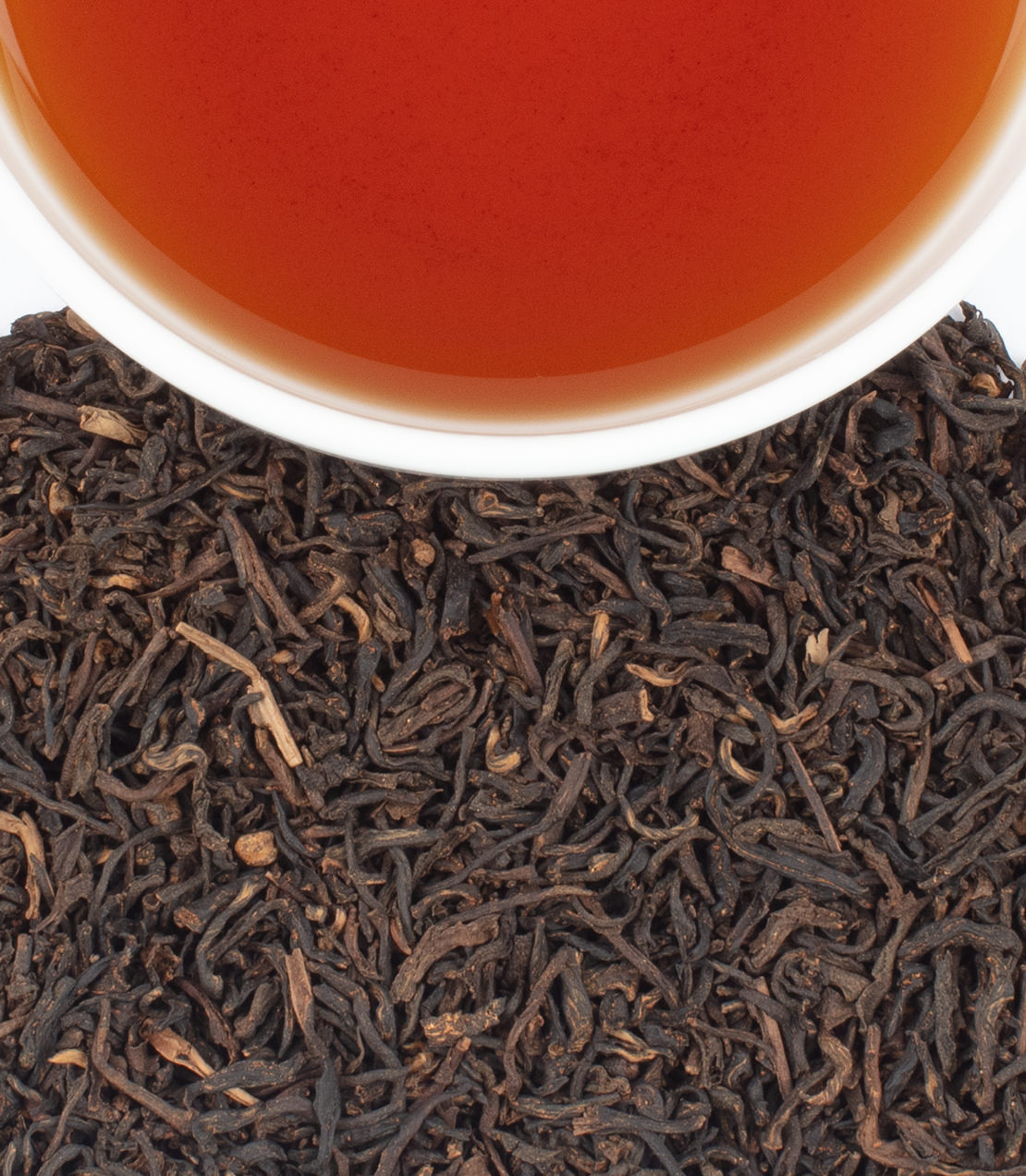

Decaffeinated Tea vs. Caffeine-free Teas
All teas made from Camellia sinensis leaves contain natural levels of caffeine. How the tea is processed, whether it is black, green, or oolong, determines how much caffeine makes its way into your cup. The decaffeination process can reduce the level of caffeine, but it will not truly be caffeine-free.
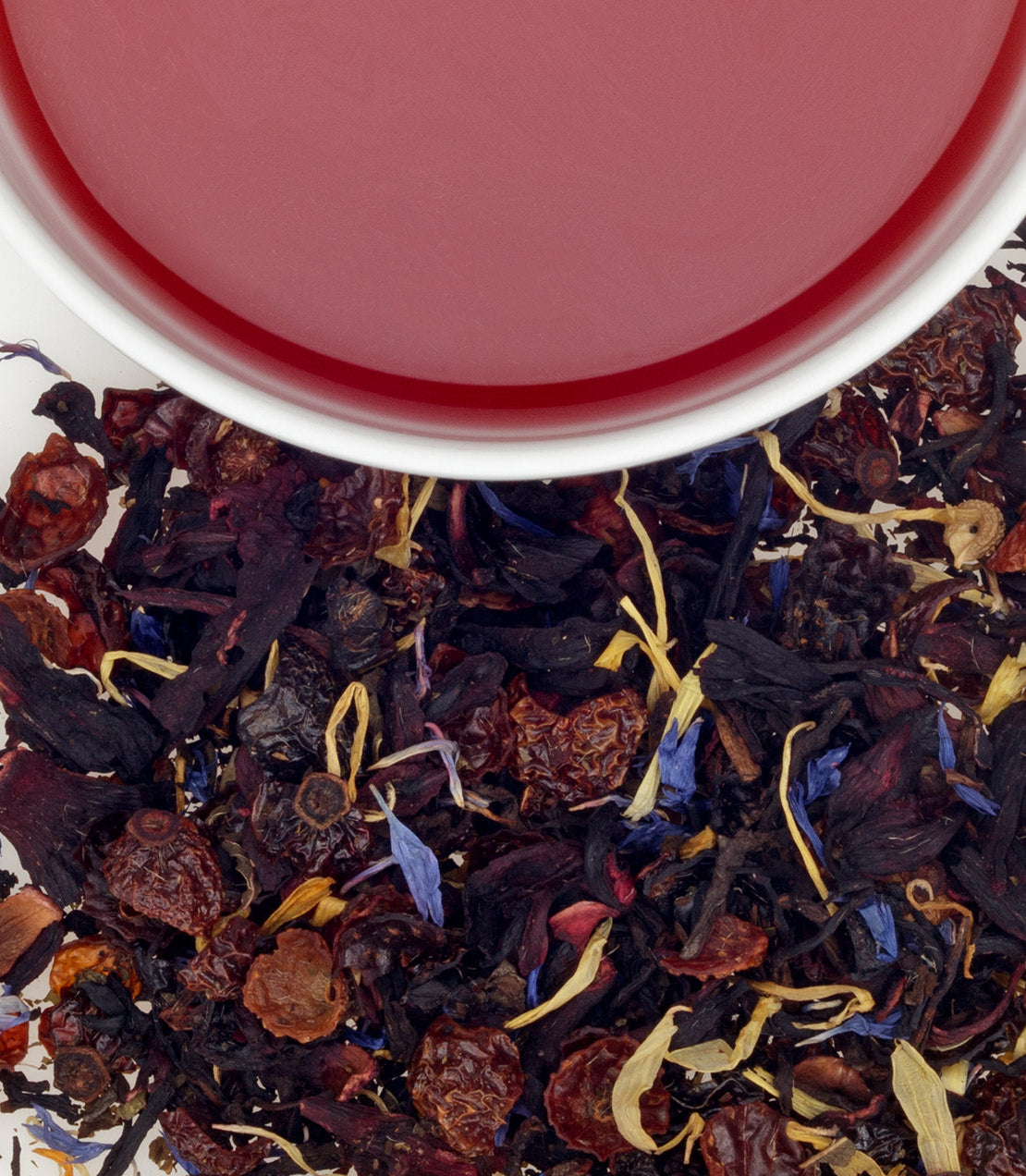
Caffeine-free "teas" are not teas at all but blends of herbs, flowers, spices, and dried fruit. When there is only one ingredient, such as our Peppermint Tea, these are referred to as Tisanes.
How tea is decaffeinated?
There are at least four different ways to decaffeinate tea, each with its own pros and cons. At Harney & Sons, we use carbon dioxide (CO2), also known as the natural method. This is the healthiest way to remove caffeine, while retaining as much flavor as possible.
© 2026 Harney & Sons Fine Teas. All Rights Reserved. | TOS | Privacy | Accessibility | | Cookie Preferences