



Organic Ceremonial Grade Matcha
Certified organic ceremonial green tea
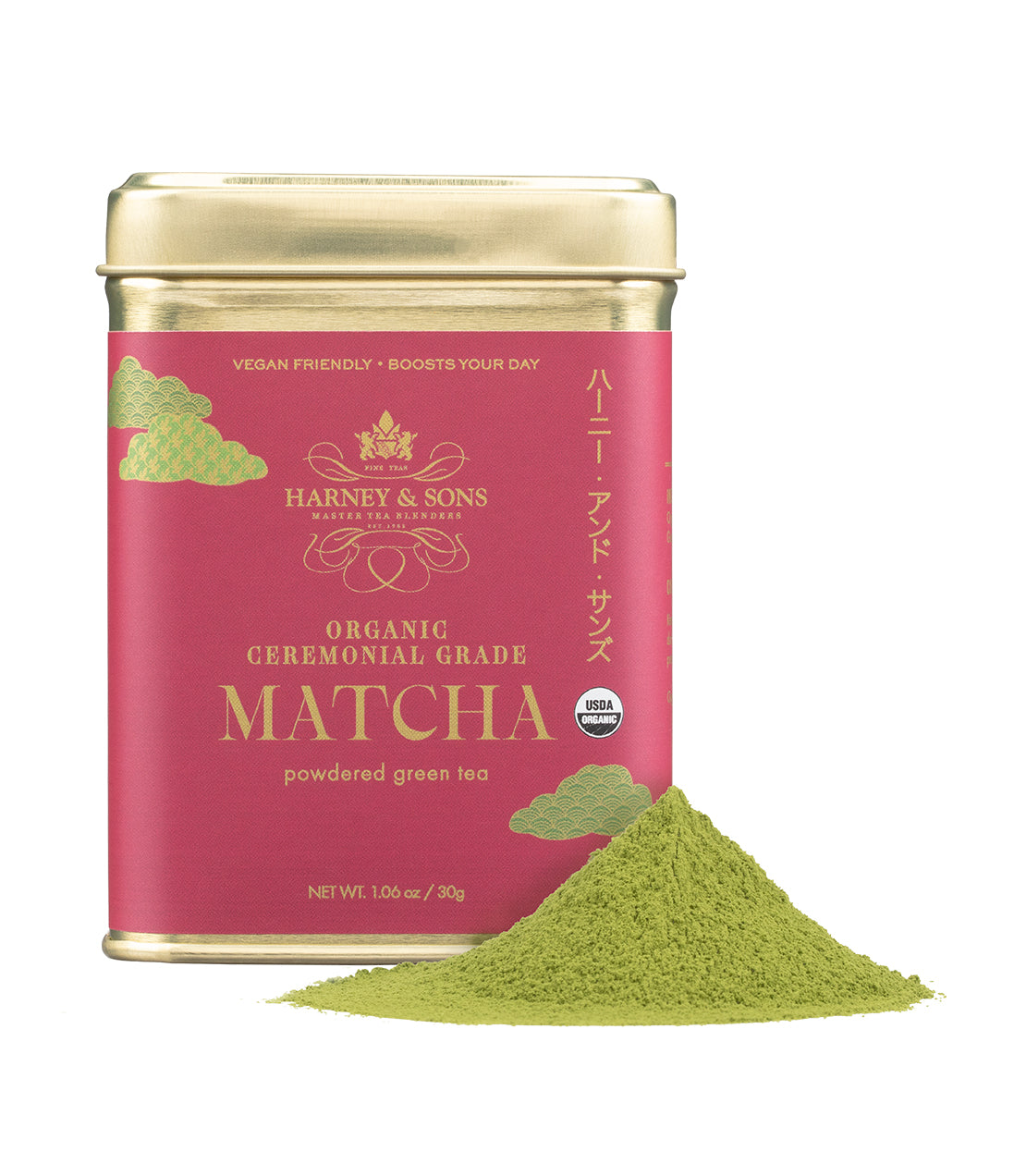
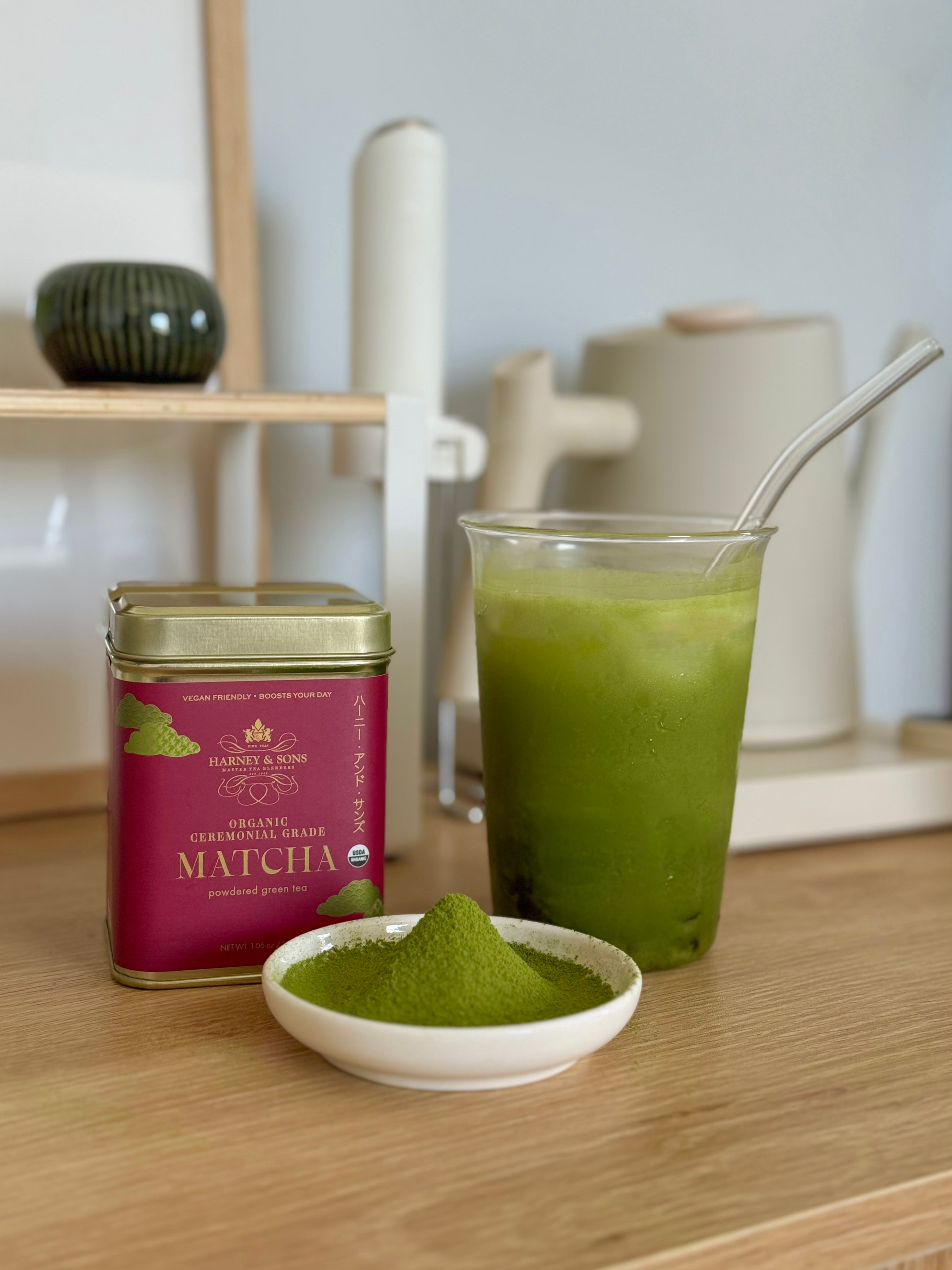
Organic Ceremonial Grade Matcha

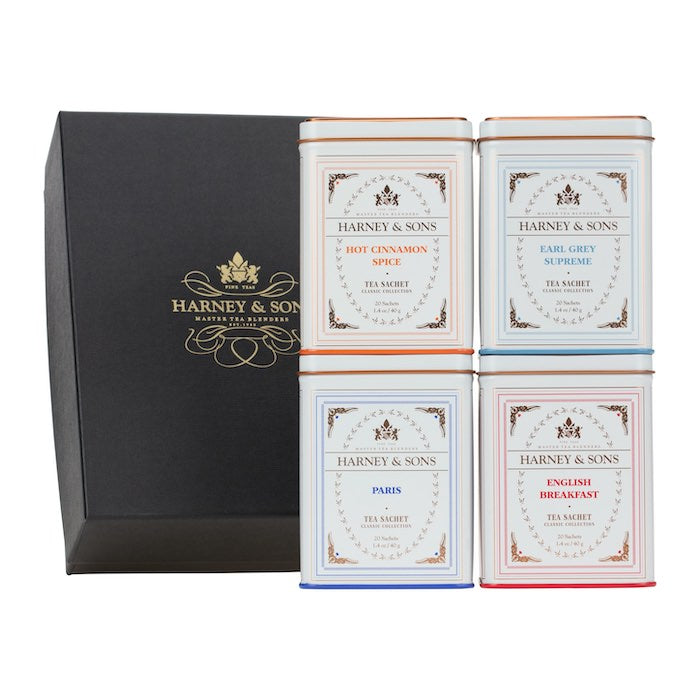
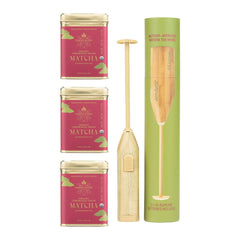
New to matcha? Start with the kit
 Free Shipping
Over $59
 Ships in
3–5 Business Days
 Sip it and Love it,
Guaranteed
Description
Our Organic Matcha comes from the southern island of Kyushu in the area around Kagoshima, Japan. It is certified organic by the USDA. It is harvested in the early spring and thus has high levels of umami, though not as high as our Jobetsugi and other ceremonial grades. Organic Matcha can be consumed by itself or as a latte. Iced or hot, it’s your call!
Make sure to check out all our Matcha teas!
Mike's Rating
 Details:
 Dry Leaves:
 Liquor:
 Aroma:
 Flavors:
 Caffeine Level:
 Body:
Body:
 Brewing Time:
 Brewing Temp:
Ingredients
Organic, to the Same Standard
Fine matcha starts in Japan's traditional growing regions, and this one is certified organic from field to tin. It is whisked and tasted at the Harney table to the same standard as every matcha we sell, and it earns its place bowl after bowl.
Certified Organic
Grown to USDA organic standards and shaded before harvest for a deep green color and a rounded cup.
Chosen to Harney Standards
Sourced and tasted to the same standards as all of our teas, as we've done since 1983.
Stone-milled
The shaded leaves are ground between granite stones turning slow enough to stay cool, which is what keeps the powder this fine and this green.
Make your matcha
Add water
Pour a small splash of hot water, just off the boil.
Whisk
Whisk briskly until smooth and frothy. A bamboo whisk is traditional, a small frother or a lidded jar also works.
Finish
Top with hot or cold milk for a latte, or more water for a bowl.
Make it Your Way
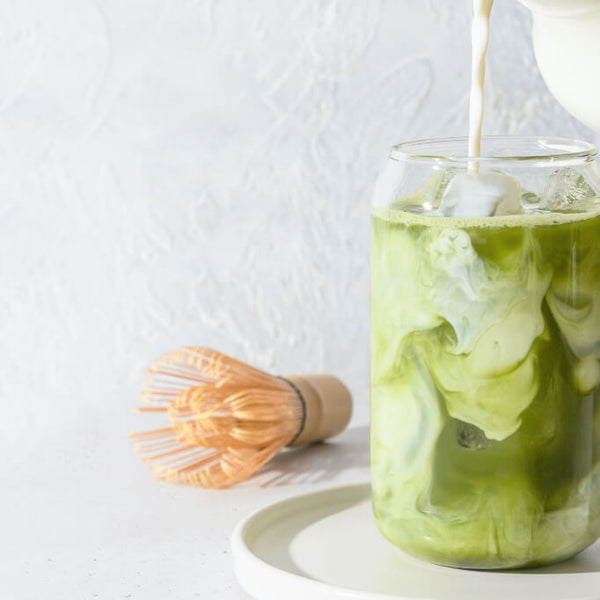
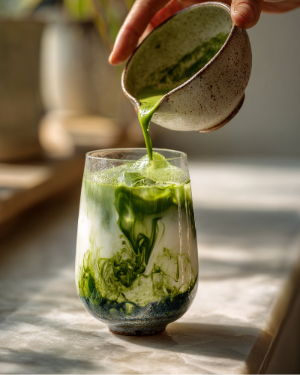

Matcha Latte
Matcha as your morning cup. Smooth and as sweet as you like it.
- 4 g matcha (about 1 tsp)
- 60 ml water at 175°F
- 200-300 ml milk of choice, steamed
- Honey or simple syrup, to taste (optional)
- Matcha bowl or wide cup
- Bamboo whisk or electric frother
- Milk steamer or saucepan
- Sift the matcha into a bowl or wide cup.
- Add 60 ml of water at 175°F and whisk until smooth and lump-free.
- Steam or heat the milk to about 150°F (warm but not boiling).
- Pour the matcha over the milk, stirring before drinking.
- Sweeten to taste, if desired.

Iced Matcha
Bright, refreshing, and ready in two minutes. The summer staple.
- 4 g matcha
- 120 ml cold water
- 120 g Ice cubes
- Honey or simple syrup, to taste (optional)
- Mason jar or cocktail shaker with a tight lid
- Tall glass
- Add the matcha and 120 ml of cold water to a mason jar or shaker.
- Seal the jar and shake vigorously for 15–20 seconds, until the matcha is dissolved and slightly foamy.
- Fill a tall glass with ice.
- Pour the matcha mixture over the ice.

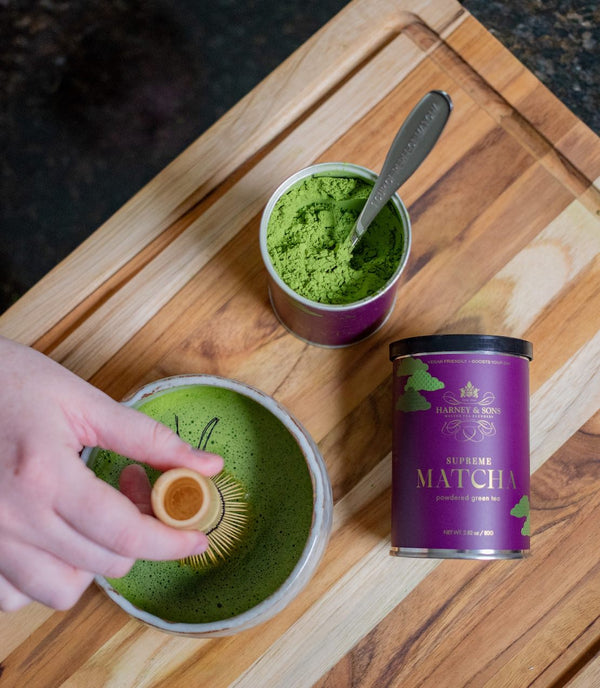
Traditional Matcha
Matcha, whisked in a bowl. The classical way, conveniently made with an electric whisk and the foundation of everything else.
- 2 g matcha ( about 1 tsp)
- 120 ml water at 175ºF (just below boiling)
- Matcha bowl (chawan)
- Electric Whisk
- Teaspoon
- Fine-mesh sieve (optional but recommended)
- (Optional step) Sift your matcha into the bowl through a fine-mesh sieve to break up clumps.
- Add 120 ml of water at 175°F.
- Whisk 15–20 seconds, until a fine layer of foam forms.
- Drink immediately, before the foam dissipates.
Common questions
Everything you might be wondering before your first brew.
Yes. Matcha is green tea, made from the same plant, Camellia sinensis, as the rest of the tea we sell. The difference is how it is grown and prepared: the leaves are shaded for weeks before harvest, then dried and stone-ground into a fine powder. Instead of steeping leaves and removing them, you whisk the whole leaf into water and drink it.
Most green tea is steamed or pan-fired, rolled, and dried, and you steep it. Matcha starts from leaves grown under shade for several weeks, which changes their color and flavor, then dried flat and ground into powder. That flat, de-veined leaf has its own name, Tencha. Because you drink the whole leaf instead of an infusion, the taste is fuller and the color is brighter.
If you want a certified organic matcha you can drink straight, this is the one. It is a ceremonial grade with a brighter, more delicate profile than our conventional ceremonial blends, and it works whisked as a bowl or poured into a latte. If you mostly make lattes and want a larger everyday size, Organic Everyday Matcha is the companion piece.
No. A bamboo whisk gives great froth, but a small electric frother or a lidded jar, or cocktail shaker all work.
About 80 milligrams in a standard 2 gram bowl, a little less than a typical cup of coffee. Because you are drinking the whole leaf rather than an infusion, matcha carries more caffeine than the same amount of steeped green tea.
Matcha is ground leaf, so it has far more surface area than whole-leaf tea and it fades faster once it meets air. Keep it sealed, cool, and away from light, and refrigerate it after opening.
Yes. It is USDA certified organic, grown in shaded fields developed specifically for organic matcha production, and stone-milled the traditional way.
Organic growing skips synthetic fertilizers, which means the leaf carries somewhat lower amino acid levels than a conventional ceremonial matcha. Harvesting at the peak of spring keeps the umami and natural sweetness. The result is a brighter, more delicate cup, with the same shading and stone-milling behind it.