



White Tea


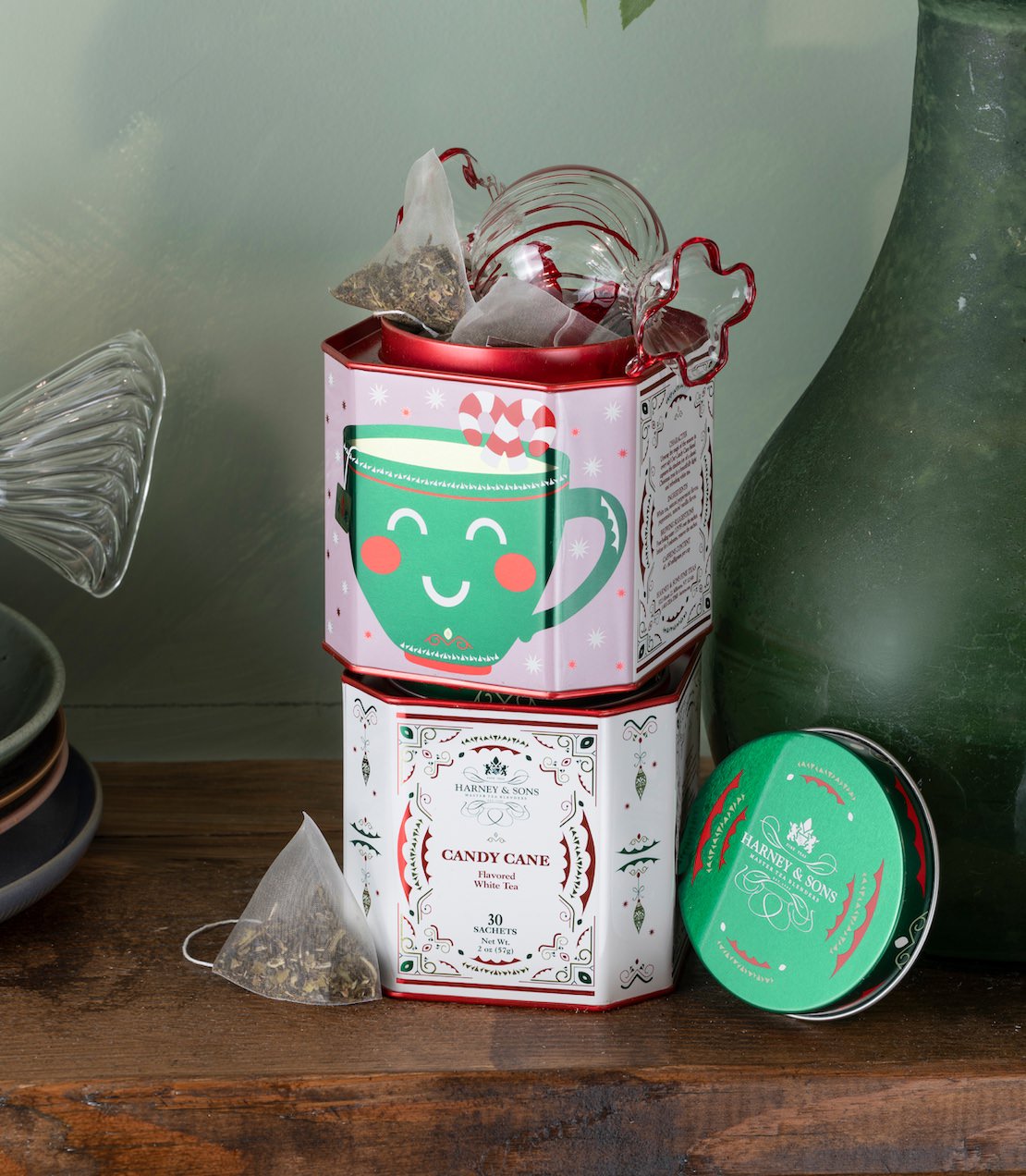
White tea is made from the young bud of the tea plant, picked just before the leaf opens and then withered and dried, in the sun, in the shade, or in a warm room. There is no steaming, rolling, or oxidizing step, so it is the least processed of the teas, and the cup is the lightest: pale, soft, and gently sweet, with notes that run from honeysuckle to light maple sap. The classic white teas come from Fujian Province in China, and ours include Chinese Silver Needle, all buds, and Mutan White, buds with a few leaves for a rounder cup. Ceylon Vintage Silver Tips and Artisanal Ceylon Argent come from the hills of Sri Lanka.
Because the buds are so delicate, white tea takes other flavors gracefully, and most of our white teas are blends: Winter White Earl Grey, white tea with bergamot; Wedding Tea, with vanilla, rose petals, and lemon; White Peach; White Vanilla Grapefruit; Heirloom Bartlett Pear, with pear, apple, and a touch of cinnamon; and Jasmine Silver Needles, scented with jasmine blossoms. Brew white tea with 175°F water for about three minutes, and for a stronger cup add more tea rather than more time.
Frequently Asked Questions
What is white tea?
White tea is made from the unopened buds of the tea plant, the same plant that gives us green, oolong, and black tea. The buds are picked by hand just before they unfurl, then withered and dried, without the steaming, rolling, or oxidizing other teas go through; a few makers finish the dried tea with a light firing. The fine silver down on the buds is what gives white tea its name, and the brewed cup is pale yellow, light in body, and gently sweet.
How is white tea different from green tea?
Green tea is made from mature leaves that are heated soon after picking, by steaming or pan-firing, and then rolled, which is what gives green tea its grassy, brisk character. White tea is made from buds, sometimes with a leaf or two, that are withered and dried rather than steamed and rolled. The result is a lighter, softer cup with less body and a sweetness that green tea does not have. Mutan White, with its mix of buds and leaves, sits between the two.
Does white tea have caffeine?
Yes. Do not let the pale color fool you: the bud carries at least as much caffeine as the mature leaf, so white tea is not a low-caffeine choice. Our tea pages put a cup of Chinese Silver Needle at about 40 to 60 mg, the same range as a cup of our black teas. For a cup with no caffeine, choose one of our herbal infusions.
What temperature should I brew white tea at?
175°F, well below boiling, for about three minutes. Boiling water flattens the delicate flavors, and a long steep does the same, so for a stronger cup add more tea rather than more time. A few of our white teas list their own time, from two to four minutes, on their pages and tins; Mutan White, for instance, takes four.
How should I store white tea?
The same way as any tea: in an airtight tin, away from light, heat, moisture, and strong smells, and never in the refrigerator, where the tea takes on the odors around it. Our tins are made for this, and an empty one can be refilled. White tea does not spoil, but it loses its subtle flavor and aroma faster than a more robust tea, so buy what you will drink in the coming months. Our post on whether tea goes stale has the full list of do's and don'ts.
Which white tea should I try first?
For the classic, Chinese Silver Needle: all buds, from Fujian, sweet and delicate. For a little more body, Mutan White, which adds a few leaves to the buds. If you like a flavored tea, Winter White Earl Grey is bergamot on a white tea base and Wedding Tea is white tea with vanilla, rose petals, and lemon. And for a white tea from outside China, Ceylon Vintage Silver Tips comes from Sri Lanka, fruitier and more floral than its Chinese cousins.